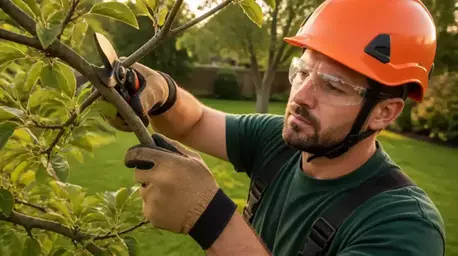
Hazard Awareness
Training focuses on recognizing potential risks and hazards to prevent accidents before they occur.
Safety in landscaping is more than a regulatory requirement; it’s a commitment to the well-being of every worker. With the right training, companies can foster a culture of safety that not only protects employees but also enhances business reputation and productivity.
Understanding the importance of safety training can lead to a more productive and safer work environment. The following are critical components of effective safety training:
Training focuses on recognizing potential risks and hazards to prevent accidents before they occur.
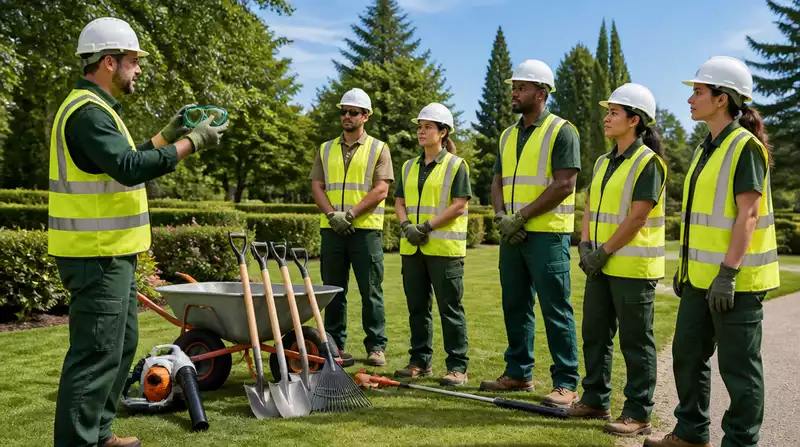
Education on Personal Protective Equipment ensures workers are equipped to handle tasks safely.
Training on safe operation of machinery reduces risks associated with heavy equipment.
Protocols for safely handling hazardous materials protect workers and the environment.
When working in landscaping, safety training isn't just a box to check—it's a vital part of everyday operations. Without adequate training, workers may face serious risks that can lead to injuries or accidents. At BranchProof, we believe that understanding safety training is fundamental for ensuring not just compliance, but also the well-being of every crew member. This training empowers workers, enabling them to recognize hazards and adopt best practices that keep them safe on the job.
Imagine a crew member using a chainsaw without proper training. The potential for accidents is high, which can lead to costly injuries and downtime. By emphasizing safety training, landscaping companies create a culture of awareness and accountability, making it clear that everyone's safety is a priority. This not only protects the workers but also enhances the reputation of the business. You can also learn more about choosing the right tree care service for your needs.
Landscaping work involves a variety of tasks that can be dangerous if not approached with caution. Factors such as heavy equipment, hazardous materials, and environmental conditions all contribute to the unique risks faced by landscaping crews. Safety training provides essential knowledge about these risks, helping workers to develop skills necessary for safe operations.
Moreover, effective training can lead to measurable benefits, such as reduced accidents and increased productivity. A well-trained workforce is also more likely to adhere to safety protocols, which can ultimately save businesses money in insurance costs and liability claims. This is why incorporating safety training into your landscaping practices is not just about compliance; it’s about creating a sustainable work environment.
In today's landscape industry, adhering to legal standards is non-negotiable. Organizations such as OSHA (Occupational Safety and Health Administration) and CCOHS (Canadian Centre for Occupational Health and Safety) set forth guidelines that ensure worker safety. Landscaping companies are legally obligated to provide comprehensive safety training to all employees, which helps prevent workplace accidents and injuries.
Understanding these regulations is essential for any landscaping business. Not only does compliance protect your workers, but it also positions your company as a trustworthy provider within the community. By prioritizing safety training, you also emphasize a commitment to quality and professionalism. For more information, explore essential safety gear for landscaping.
OSHA and ANSI (American National Standards Institute) standards play a crucial role in shaping safety training programs for landscaping workers. OSHA regulations focus on ensuring a safe work environment, while ANSI provides guidelines on best practices for equipment and operational safety.
For landscaping companies, adhering to these standards means staying updated on safety protocols, which cover everything from proper equipment use to emergency response measures. Here are key principles to consider:
By embracing OSHA and ANSI standards, you not only protect your crew but also build a foundation of trust with your clients. Safety becomes a shared value, enhancing the overall reputation of your landscaping business.
The effectiveness of safety training hinges on several critical components. A comprehensive program should focus on hazard awareness, ensuring that every worker can identify potential risks before they become issues. By equipping your team with the tools and knowledge needed to prevent accidents, you're fostering a proactive safety culture that benefits everyone involved.
In addition to hazard awareness, training should include education on the proper use of Personal Protective Equipment (PPE), safe equipment operation, and protocols for handling chemicals. These components are essential in creating a thorough training program that keeps safety at the forefront of landscaping operations.
Here's a brief recap of the key points discussed so far:
As we reach the end of our discussion on landscaping safety training, it's clear that this practice is not just a legal requirement, but a crucial element for the well-being of every worker in the field. By focusing on safety, landscaping businesses can protect their most valuable asset—their employees. Through effective training programs, we can all contribute to a safer workplace and enhance the overall quality of our services.
Remember, the key points we've covered highlight how safety training can prevent accidents and improve productivity. From understanding the importance of hazard awareness to ensuring proper use of personal protective equipment, each component plays a role in promoting a culture of safety. Investing in safety training isn't merely an obligation; it's a commitment to fostering a trustworthy environment where workers feel valued and safe. For more insights on ensuring safety, consider verifying home improvement safety practices.
It's time for landscaping businesses to take proactive steps towards enhancing safety practices. I encourage every owner to invest in comprehensive safety training programs that can transform the way we approach risk in our industry. Not sure where to start? Look for trusted resources that offer structured training modules, workshops, or even online courses tailored for our unique field!
Taking these steps can not only reduce incidents but also build a stronger, more committed team. Let’s prioritize safety; it pays off in the long run!
For those eager to dive deeper into landscaping safety training, numerous resources can help you along the way. These include downloadable materials, training schedules, and templates that can streamline your efforts. Here’s a handy list of resources to consider:
Utilizing these resources can empower your team to stay informed and prepared, ultimately leading to a safer and more efficient landscaping operation. At BranchProof, we believe that knowledge is power, and with the right training, we can all contribute to a safer work environment! You can also check out tips for verifying tree care service reviews to ensure you're working with reputable professionals.
Here is a quick recap of the important points discussed in the article:
As a passionate advocate for homeowners navigating the complexities of tree care and home improvement, I am dedicated to providing reliable insights that empower you to make informed decisions. At BranchProof, we believe that with the right knowledge, you can confidently select trustworthy professionals to enhance your living space while ensuring quality and safety.