Verify Home Improvement Safety Practices
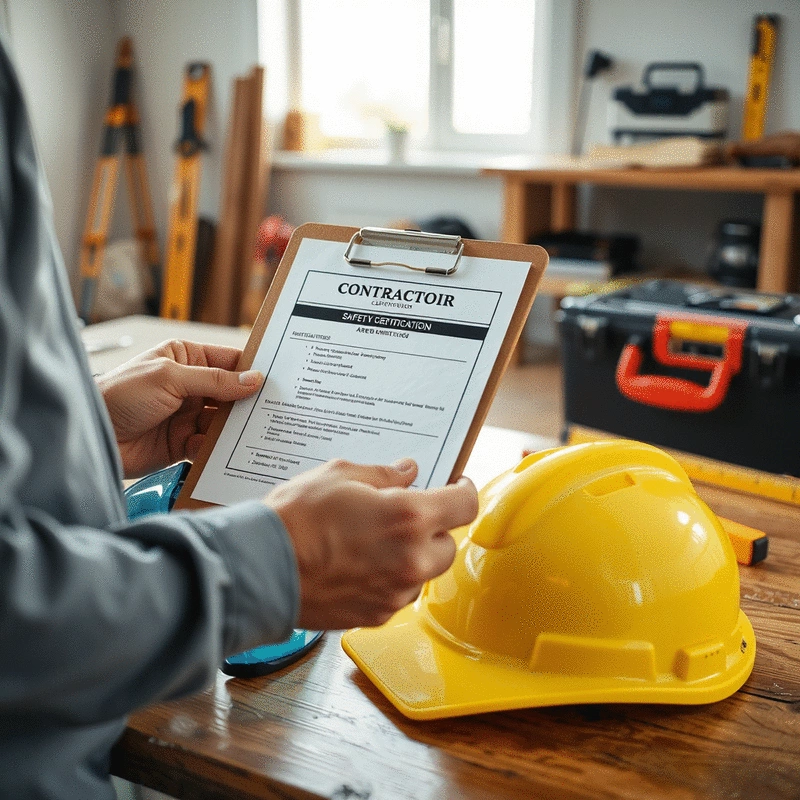
Consider this: hiring an unlicensed contractor may save you money today but could cost you significantly more in the long run due to safety risks and legal implications. Understanding the importance of verifying safety practices can protect your home and peace of mind during home improvement projects.
What You Will Learn
- The crucial role of safety verification in hiring home improvement professionals to protect your family and property.
- Why hiring unlicensed contractors can lead to serious financial and legal repercussions, including liability for accidents.
- Key safety regulations and standards, such as local building codes and OSHA regulations, that homeowners should familiarize themselves with.
- How non-compliance with safety practices can compromise project quality and lead to homeowner dissatisfaction.
- Strategies for accident prevention, including regular job site safety audits and emergency preparedness plans.
- The benefits of leveraging technology to enhance contractor verification and ensure compliance with safety standards.
Understanding Risks and Consequences of Hiring Unverified Contractors
Engaging with unverified contractors can lead to significant risks and financial liabilities. Below are key comparisons demonstrating the potential consequences of hiring licensed versus unlicensed professionals.
Licensed Contractors
- Lower risk of financial liability
- Adherence to safety protocols
- Higher overall project satisfaction
Unlicensed Contractors
- Increased financial liability
- Potential for substandard work
- Risk of legal issues and insurance claims
Key Safety Regulations
- Local Building Codes
- OSHA Regulations
- Construction Safety Standards
Consequences of Non-Compliance
- Increased accident risk
- Property damage and repair costs
- Legal ramifications for negligence
Understanding the Importance of Verifying Safety Practices of Home Improvement Professionals
When it comes to choosing a home improvement professional, safety should always be at the top of your priority list. At BranchProof, I can't stress enough how crucial it is to verify safety practices before engaging with any contractor. The consequences of overlooking this step can be severe, impacting not just the quality of work but also your safety and peace of mind. For more insights on ensuring quality, consider verifying tree care service reviews to gauge a contractor's reliability.
Ensuring that the professionals you hire comply with safety standards isn't just about avoiding accidents; it’s about protecting your investment and your home. A home improvement project can quickly become a nightmare if safety is compromised. Let’s take a closer look at why safety compliance matters and how you, as a homeowner, can safeguard your interests.
Why Safety Compliance Matters for Homeowners
Have you ever considered what could happen if a contractor doesn’t follow safety protocols? Well, it can lead to serious injuries not just for workers, but for you and your family too! When hiring professionals, understanding their safety compliance can help mitigate risks and ensure a secure working environment.
There are several reasons why safety compliance is paramount for homeowners:
- Protects your family from accidents
- Preserves the integrity of your property
- Avoids potential legal issues related to liability
The Risks of Hiring Unlicensed Contractors
Hiring an unlicensed contractor can open a Pandora's box of issues. Without the proper licenses, you might find yourself facing unfinished projects or, even worse, unsafe practices that put your home at risk. Unlicensed professionals often lack the necessary training, which can lead to poor workmanship and safety violations.
To put it simply, engaging with unlicensed contractors is like playing with fire. You might save money upfront, but the long-term costs could be devastating. Think about it—would you trust someone to repair your roof without any proper credentials? It’s essential to verify licenses and ensure you’re working with qualified individuals. For advice on qualifications, explore choosing the right tree care service.
Understanding Legal and Financial Implications
Let’s face it—the legal and financial ramifications of hiring unqualified professionals can be severe. If an accident occurs on your property due to negligence, you could be held liable. This means you might face hefty medical bills or legal fees that could have been avoided with proper safety checks.
Don’t let yourself become a victim of a poor choice! Protect your investment by asking the right questions. Ensure your contractors are not only licensed but also carry insurance to cover any potential mishaps. Knowing these details can provide you with peace of mind and safeguard your home and family.
Key Safety Regulations and Standards to Know
Understanding safety regulations is crucial for any homeowner looking to engage with contractors. These regulations are put in place to protect you, your family, and the workers involved in your home improvement projects. Familiarizing yourself with these standards will arm you with the information necessary to make informed decisions.
Here are some key safety regulations you should know:
- Local building codes
- Construction safety standards
- OSHA regulations
Building Codes and Construction Safety Standards
Building codes are designed to ensure the structural integrity and safety of homes. These codes cover everything from electrical and plumbing to roofing and foundations. Familiarizing yourself with the local building codes in your area can help you evaluate whether contractors are adhering to the necessary standards.
Construction safety standards further reinforce the importance of a safe working environment. These standards outline protocols that contractors must follow to keep everyone safe. Always ask potential contractors about their knowledge of and adherence to these codes—it's a crucial step in ensuring your project runs smoothly.
Understanding Safety Regulations from OSHA
The Occupational Safety and Health Administration (OSHA) sets the benchmark for workplace safety across various industries. Understanding OSHA regulations can help you assess whether a contractor is committed to maintaining a safe work environment. Look for contractors who comply with these guidelines; it shows they prioritize safety and take their responsibilities seriously.
As a homeowner, you can ask contractors about their knowledge of OSHA regulations and how they implement them on the job site. Remember, safety isn’t just a checkbox; it’s a comprehensive approach that includes training, equipment, and overall job site management! You might also want to read about essential safety gear for landscaping to understand broader safety considerations.
Pro Tip
Before hiring any contractor, always ask for references from previous clients. This not only helps you gauge their work quality but also gives you insights into their adherence to safety practices. A trustworthy contractor should be willing to share contact information of past clients who can vouch for their professionalism and safety compliance.
Frequently Asked Questions (FAQs)
Verifying safety practices is crucial to protect your family, property, and investment. It helps prevent accidents, ensures compliance with regulations, and avoids potential legal and financial liabilities.
Hiring an unlicensed contractor can lead to increased financial liability, potential for substandard work, risk of legal issues, higher insurance claims, and a greater chance of accidents due to lack of proper training and safety adherence.
Homeowners should be familiar with local building codes, construction safety standards, and OSHA regulations. These provide guidelines for structural integrity, worker safety, and overall project compliance.
Non-compliance can lead to substandard work, rework, increased project costs, property damage, and significant frustration. It can also result in legal ramifications and ultimately lower homeowner satisfaction.
Accident prevention strategies include conducting regular job site safety audits, ensuring emergency preparedness plans are in place, and training workers on hazard communication.
Technology allows homeowners to streamline verification through online databases and license-check tools, helping to confirm a contractor's legitimacy and adherence to safety standards before hiring.
Understanding the Risks of Non-Compliance in Home Improvement Projects
When it comes to home improvement, hiring the right contractor can make all the difference. Unfortunately, many homeowners overlook the importance of verifying safety practices, which can lead to serious consequences. In this section, I’ll discuss the risks associated with unverified contractor practices and how they can impact your project.
One of the biggest threats is financial liability. If an unlicensed contractor causes damage or injury on your property, you could be held responsible. This not only leads to potential *out-of-pocket expenses* but can also result in increased insurance premiums. Knowing what to look for can save you from costly mistakes!
- Increased financial liability
- Risk of property damage
- Higher insurance costs
Consequences of Unverified Contractor Practices
There’s a direct link between contractor practices and project quality. When safety standards aren’t verified, it can lead to subpar work that may not meet your expectations. Imagine investing in a beautiful deck, only to find it unsafe or poorly constructed! This not only affects the aesthetics of your home but also your satisfaction with the project.
Additionally, if a contractor is unlicensed or uninsured, you risk having to deal with legal ramifications down the line. Always ask for proof of licensing and insurance to mitigate these potential problems. It’s a small step that can lead to *greater peace of mind* throughout your home improvement journey.
- Risk of substandard work
- Potential legal issues
- Lower homeowner satisfaction
Financial Liability and Property Damage Risks
Financial liability is a serious concern when hiring unverified contractors. For instance, if an accident occurs due to negligence, you could be on the hook for medical bills or property repairs. This can be especially daunting if you weren’t aware of the contractor’s lack of compliance with safety regulations. Protecting yourself starts with understanding these risks!
Moreover, property damage isn’t just about repairs; it can also diminish the value of your home. Poor workmanship may lead to structural issues down the line, which can be extremely costly to fix. Therefore, it’s crucial to do your homework before making a hire.
Impact on Project Quality and Homeowner Satisfaction
Project quality is often compromised when contractors cut corners on safety. A poorly executed job can lead to rework, wasted time, and frustration. As a homeowner, you should feel confident that the work done on your home meets professional standards. This is where rigorous vetting comes into play.
In my experience, ensuring a contractor adheres to safety practices translates into smoother projects and happier homeowners. When you know your contractor is compliant with regulations, it fosters a sense of trust and satisfaction. Always prioritize safety verification to safeguard your investment!
Common Construction Risks and Accident Prevention Strategies
Construction sites can be hazardous, making it essential to implement safety measures. Regular job site safety audits can help identify potential risks before they escalate. Contractors should conduct routine inspections to ensure compliance with safety standards and prevent accidents.
Emergency preparedness is another critical aspect. Contractors should have a clear plan in place for emergencies, including access to first aid kits and training for handling incidents. By emphasizing safety, you not only protect the workers but also your property.
- Conduct regular job site safety audits
- Ensure emergency preparedness plans are in place
- Train workers on hazard communication
Job Site Safety Audits and Safety Inspections
Job site safety audits involve a thorough review of all safety practices and compliance checks. This means checking for proper equipment usage, personal protective gear, and adherence to safety regulations. It’s an effective strategy to mitigate risks and ensure that the project runs smoothly.
Additionally, safety inspections should be scheduled regularly throughout the project. This way, any issues can be identified and addressed promptly. As your trusted resource, BranchProof emphasizes the importance of these practices in achieving a successful home improvement experience!
Leveraging Technology to Enhance Contractor Verification
Technology has made it easier to verify contractor credentials and safety compliance. With various tools available, homeowners can now streamline their verification process. For instance, using online databases and license-check tools can help you validate a contractor’s legitimacy before hiring. To learn more about thorough verification, consider verifying tree care service reviews effectively.
However, not all tools are created equal! It’s important to choose the right ones that suit your needs and provide reliable information. In the next subsection, we’ll compare two popular options: FIRSTVERIFY and free DBPR checks to help you decide which is right for you. For broader insights, you might find information on hiring landscaping professionals safely to be useful.
Recap of Key Points
Here is a quick recap of the important points discussed in the article:
- Always prioritize safety when hiring home improvement professionals to protect your family and investment.
- Verify contractor licensing and insurance to avoid financial and legal liabilities.
- Familiarize yourself with local building codes, construction safety standards, and OSHA regulations.
- Conduct regular job site safety audits and ensure emergency preparedness plans are established.
- Leverage technology for effective contractor verification through online databases and license-check tools.

Clara Montgomery
As a passionate advocate for homeowners navigating the complexities of tree care and home improvement, I am dedicated to providing reliable insights that empower you to make informed decisions. At BranchProof, we believe that with the right knowledge, you can confidently select trustworthy professionals to enhance your living space while ensuring quality and safety.
Popular Posts
Essential DIY Tree Care Safety
![Essential DIY Tree Care Safety]() Did you know that improperly managed tree care can lead to severe accidents and costly damage? Prior
Did you know that improperly managed tree care can lead to severe accidents and costly damage? Prior
 Did you know that improperly managed tree care can lead to severe accidents and costly damage? Prior
Finding Trustworthy Landscaper Reviews
![Finding Trustworthy Landscaper Reviews]() In the quest for the perfect outdoor transformation, the right landscaping professional can make all
In the quest for the perfect outdoor transformation, the right landscaping professional can make all
 In the quest for the perfect outdoor transformation, the right landscaping professional can make all
Verify Safety Certifications to Avoid Scams
![Verify Safety Certifications to Avoid Scams]() Safety certifications are not just bureaucratic red tape; they are essential in safeguarding your ho
Safety certifications are not just bureaucratic red tape; they are essential in safeguarding your ho
 Safety certifications are not just bureaucratic red tape; they are essential in safeguarding your ho
Tips for Caring for Landscaping
![Tips for Caring for Landscaping]() Have you ever marveled at a home with a stunning garden and wondered what secrets lay behind its bea
Have you ever marveled at a home with a stunning garden and wondered what secrets lay behind its bea
 Have you ever marveled at a home with a stunning garden and wondered what secrets lay behind its bea
