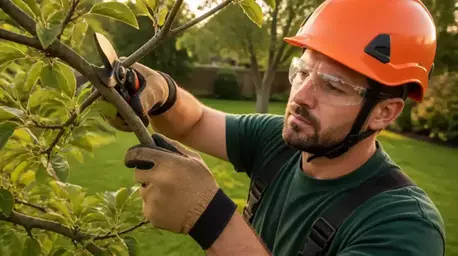
Importance of Safety Verification
Verifying contractor credentials ensures adherence to safety standards, reducing risks of accidents and liabilities.
In an industry where safety can mean the difference between success and catastrophe, understanding the importance of contractor safety verification is paramount. As homeowners, we have the power to empower ourselves by making informed decisions that prioritize safety.
Understanding the importance of contractor safety verification can be crucial for homeowners. Here are some essential aspects to consider:
Verifying contractor credentials ensures adherence to safety standards, reducing risks of accidents and liabilities.
Ignoring safety records can result in accidents, financial liabilities, and compromised project quality.
Regularly updated safety records signal a contractor’s commitment to safety and proactive risk management.
When it comes to hiring professionals for any home improvement project, safety can’t be overlooked. As someone who cares deeply about empowering homeowners, I often emphasize the importance of contractor safety verification. It’s not just about finding someone who can get the job done; it’s about ensuring that they do it safely and effectively. This is where understanding safety qualifications becomes crucial. You can also learn more about choosing the right tree care service to ensure safety and quality.
Contractor safety qualifications are essential in protecting not just the workers but also homeowners and their properties. When you verify a contractor's credentials, you're looking at their history and adherence to safety standards. This includes training, safety certifications, and compliance with local regulations, which all play a significant role in how they operate on your property.
Safety verification is a way to confirm that a contractor prioritizes a safe work environment. It’s about more than just paperwork; it reflects a commitment to quality and care. When you choose a verified contractor, you can feel confident knowing they follow established safety protocols that safeguard everyone involved in the project.
Ignoring contractor safety records can lead to serious consequences, both for you and the workers. Without proper verification, you risk engaging someone who may overlook safety measures, leading to accidents or even injuries on your property. It’s vital to recognize that a lack of safety practices can also result in financial liabilities if an accident occurs. For homeowners, it's crucial to verify home improvement safety practices to mitigate these risks.
Consumer protection in contractor safety isn’t just a legal requirement; it should be a primary concern for every homeowner. By verifying a contractor’s safety records, you are actively protecting yourself and your investment. It gives you peace of mind knowing that you’re making informed decisions based on facts, not just assumptions.
Verification acts as a shield against potential scams and poor workmanship. Homeowners who take the time to check safety qualifications often find they can avoid unscrupulous contractors. Here are a few ways verification protects you:
Trade associations play a significant role in maintaining safety standards within the contracting industry. They often set guidelines that members must adhere to, ensuring compliance with safety laws. Being affiliated with a trade association can also signal to homeowners that a contractor is committed to upholding high quality and safety standards.
As we delve deeper into the topic, it’s essential to understand the relationship between reviews and safety records. In today's digital age, online reviews can significantly influence your choice of contractor. However, not all reviews are created equal, especially when it comes to assessing safety standards.
While customer reviews provide insight into a contractor's performance, they often don’t cover safety records in detail. Understanding the difference is vital for making informed choices. Safety records reflect specific safety metrics, while reviews may simply praise or criticize based on personal experience.
Safety performance records include a variety of metrics that demonstrate a contractor’s safety history. These records often encompass:
Customer feedback can sometimes hint at underlying safety issues. If multiple reviews mention delays or accidents during a project, it might be a red flag. This is why it’s crucial to take customer feedback seriously and look for patterns that could indicate potential safety concerns. You can also explore verifying tree care service reviews for more insights.
Your chosen contractor's online reputation can significantly affect your decision-making process. A good reputation often reflects a commitment to safety, while a poor one might suggest otherwise. As we explore this, let’s consider how reviews and social media can provide insights into a contractor's safety practices.
Review platforms like Yelp, Google Reviews, and Angie's List can be invaluable tools in your contractor selection process. They offer a wealth of information about past client experiences, which can include mentions of safety practices. Always check the credibility of these platforms, as genuine reviews provide a clearer picture of what to expect.
Social media can also serve as an informal review platform. Homeowners often share their experiences on platforms like Facebook and Instagram, providing real-time feedback about contractor performance. By browsing these channels, you can gather additional insights into a contractor's safety and reliability.
Now that we’ve established the significance of contractor safety verification, let’s look at effective strategies for ensuring that you choose a reliable professional. A few smart practices can make all the difference in verifying safety.
When verifying a contractor's safety qualifications, always ask for specific examples of how they implement safety protocols on the job. For instance, inquire about their approach to safety training sessions or how they handle incident reporting. This not only demonstrates their commitment to safety but also gives you insight into the effectiveness of their practices.
In the world of contractor safety, keeping updated records is vital. Contractors must maintain and share their safety qualifications to build trust with homeowners. At BranchProof, we emphasize how regular updates not only protect homeowners but also showcase a contractor's commitment to safety and quality. This ongoing commitment can lead to a more secure and satisfactory experience for both parties.
Moreover, the importance of safety verification cannot be overstated. With the right documents and records, homeowners can feel confident in the professionals they hire. This is why we advocate for a thorough understanding of a contractor's safety background, which provides peace of mind in a field that often lacks transparency.
Updated safety records are essential in the contracting industry. They allow both contractors and homeowners to stay informed about potential risks and safety practices. If a contractor regularly revisits and revises their safety information, it signals a proactive attitude towards mitigating risks.
Homeowners should also play a role by asking for these updates before hiring a contractor. This mutual effort fosters trust and transparency, leading to safer working conditions for everyone involved.
One of the best ways to ensure safety in contracting work is to encourage regular verification practices. Contractors should routinely review their safety protocols and share them with clients. This makes it easier for homeowners to feel more secure about their choices. It's also important to understand essential contractor safety protocols to ensure thorough verification.
By making safety verification a continuous process, contractors can build a strong reputation and demonstrate their commitment to safety. At BranchProof, we believe that transparency in safety practices not only benefits homeowners but elevates the entire contracting industry.
As we look toward the future of the contracting industry, it’s time for both contractors and homeowners to take action regarding safety verification. By actively engaging in these practices, we can create a safer environment for everyone. Let’s challenge ourselves to be vigilant about safety and verification!
To enhance safety across the board, a structured verification process is necessary. Contractors should implement the following steps:
By following these steps, contractors not only protect their workers but also instill confidence in clients. This is a win-win situation!
Collaboration among contractors can significantly enhance safety standards. By sharing best practices, contractors can learn from each other's successes and challenges. This practice fosters a culture of safety that can resonate throughout communities.
When contractors come together to support each other, the entire industry benefits. At BranchProof, we encourage these collaborative efforts, believing they pave the way for safer contracting practices. For more information on ensuring safety in your home projects, consider reading about contractor safety in home projects.
Understanding contractor safety verification can feel overwhelming, but I'm here to help! Below are some common questions that homeowners often have.
When verifying a contractor's safety, look for these essential documents:
Having these documents ensures you are hiring a professional committed to safety.
Small businesses can verify contractor safety by:
Taking these steps can prevent potential issues and ensure a smooth working relationship.
Performance metrics play a crucial role in setting safety standards. They help track progress and identify areas for improvement:
By paying attention to these metrics, contractors can continually enhance their safety practices, benefiting everyone involved!
Here is a quick recap of the important points discussed in the article:
As a passionate advocate for homeowners navigating the complexities of tree care and home improvement, I am dedicated to providing reliable insights that empower you to make informed decisions. At BranchProof, we believe that with the right knowledge, you can confidently select trustworthy professionals to enhance your living space while ensuring quality and safety.