Essential Contractor Safety Protocols

Did you know that investing in safety protocols can not only protect your workforce but also enhance the efficiency of your projects? In the world of contractor management, safety should never be an afterthought. Embracing safety protocols is essential for successful home improvement endeavors.
What You Will Learn
- Understanding safety protocols helps ensure a safer working environment for both contractors and homeowners.
- Compliance with OSHA regulations is crucial in reducing risks and avoiding costly penalties.
- Key elements such as worker training, site inspections, and emergency plans are vital components of effective safety protocols.
- Evaluating a contractor's safety record can provide insights into their commitment to maintaining a safe work environment.
- Implementing comprehensive safety protocols leads to long-term benefits, including reduced insurance premiums and improved employee morale.
- Engaging in continuous improvement and feedback on safety practices enhances project outcomes and fosters a safety-first culture.
- Utilizing available resources for ongoing safety training ensures that contractors stay informed about the latest regulations and best practices.
- Integrating a safety management system (SMS) can streamline processes and promote a culture of safety within your organization.
Key Elements of Contractor Safety Protocols
Understanding and evaluating safety protocols in contractor management can significantly impact project outcomes. For instance, knowing how to verify home improvement safety practices is crucial for every homeowner.
Key Components of Safety Protocols
- Proper training for all workers
- Regular site inspections
- Emergency response plans
Benefits of Compliance with OSHA Regulations
- Protects workers from accidents and injuries
- Avoids costly fines and legal issues
- Enhances contractor credibility
Long-Term Benefits of Comprehensive Safety Protocols
- Lower insurance premiums
- Increased trust and loyalty
- Better reputation in the industry
Next Steps for Enhancing Safety
- Review current contractor safety practices
- Update safety training programs regularly
- Engage in open discussions about safety culture
Understanding the Importance of Safety Protocols for Contractors
When it comes to hiring contractors, safety should always be a top priority. Understanding the importance of safety protocols can make a significant difference in the outcome of your home improvement projects. At BranchProof, we believe that ensuring the safety of both workers and homeowners is essential in avoiding accidents, injuries, and costly liabilities. Let's dive into what safety protocols actually are and why they're so crucial!
Defining Safety Protocols in Contractor Management
Safety protocols consist of guidelines and practices that contractors must follow to ensure a safe working environment. These protocols include everything from initial safety training to ongoing inspections and emergency procedures. By setting clear safety standards, homeowners can feel more confident that their contractor prioritizes safety and is prepared to handle any potential hazards.
To break it down further, here are some core aspects of safety protocols:
- Proper training for all workers
- Regular site inspections
- Emergency response plans
These components work together to create a framework that minimizes risks. When contractors adhere to these protocols, it not only protects their crew but also reassures homeowners that their projects are in safe hands.
Why Compliance with OSHA Regulations is Essential
The Occupational Safety and Health Administration (OSHA) sets the standard for workplace safety in the United States. Compliance with OSHA regulations ensures that contractors meet specific safety requirements, which can greatly reduce risks associated with home improvement projects. Ignoring these standards could lead to dangerous work environments, legal penalties, and even project delays. For related insights, consider hiring landscaping professionals safely.
Here are a few reasons why compliance is critical:
- Protects workers from accidents and injuries
- Helps avoid costly fines and legal issues
- Enhances contractor credibility and reputation
At BranchProof, we advocate for homeowners to ask contractors about their compliance with OSHA regulations. This simple inquiry can provide peace of mind, ensuring that you're choosing a professional who values safety and quality in their work.
Key Elements to Evaluate in Contractor Safety Protocols
Once you understand the significance of safety protocols, the next step is evaluating specific elements within contractor safety practices. By scrutinizing these components, you can make informed decisions that prioritize your safety and the quality of the work being done on your property. Let's explore some key elements that you should consider!
Quick Summary
Here's a brief recap of the key points discussed so far:
- Safety protocols are essential for creating a secure working environment for contractors and homeowners alike.
- Compliance with OSHA regulations significantly reduces risks and enhances contractor credibility.
- Evaluating contractor safety practices involves assessing their safety records, training programs, and ongoing monitoring systems.
- Implementing comprehensive safety protocols not only protects workers but also fosters a culture of safety that benefits the entire project.
Frequently Asked Questions About Contractor Safety Protocols
Here are some common questions regarding contractor safety protocols:
- What are safety protocols in contractor management?
Safety protocols are a set of guidelines and practices that contractors must follow to ensure a safe working environment. This includes initial safety training, regular site inspections, and established emergency procedures. - Why is OSHA compliance important for contractors?
Compliance with OSHA (Occupational Safety and Health Administration) regulations ensures contractors meet specific safety requirements, which significantly reduces risks, protects workers from accidents and injuries, helps avoid costly fines, and enhances their credibility. - What key elements should I look for when evaluating a contractor's safety practices?
When evaluating a contractor, you should assess their safety record, their training programs for personnel, and their systems for ongoing safety monitoring and incident reporting. - What are the long-term benefits of implementing comprehensive safety protocols?
Comprehensive safety protocols lead to numerous long-term benefits, including lower insurance premiums, increased trust from clients and employees, a better reputation in the industry, and overall protection of the workforce and homeowners. - How can I ensure continuous improvement in contractor safety practices?
Continuous improvement involves regularly reviewing current safety practices, incorporating feedback from employees and contractors, updating training programs based on industry best practices, and engaging in open discussions about safety culture at all organizational levels.
Synthesizing Key Takeaways on Contractor Safety Protocols
Understanding the fundamentals of contractor safety protocols is crucial for homeowners and businesses alike. These protocols not only protect the workforce but also ensure that projects run smoothly and efficiently. As we reflect on the best practices for evaluating safety procedures, it’s important to remember that a comprehensive approach can safeguard everyone involved. Here’s a quick recap of the essential points to consider:
- Assess the contractor's safety record and previous project outcomes.
- Ensure compliance with OSHA regulations to mitigate risks.
- Evaluate the training and qualification of personnel involved.
- Review the implementation of ongoing safety monitoring and incident reporting.
By focusing on these aspects, you can confidently choose contractors who prioritize safety. At BranchProof, we believe that safety is not just a protocol but a culture that should be embraced by all contractors. This mindset protects not only their employees but also homeowners like you, ultimately leading to successful project completion. You can also explore choosing the right tree care service for more safety-focused tips.
Long-Term Benefits of Comprehensive Safety Protocols
Implementing robust safety protocols offers numerous long-term benefits that go beyond immediate risk reduction. These benefits include enhanced project efficiency, reduced downtime, and improved employee morale. When contractors commit to safety, they create an environment where workers feel valued and protected. Here are some key advantages you might consider:
- Lower insurance premiums due to reduced accident rates.
- Increased trust and loyalty from clients and employees.
- Better reputation within the industry, attracting more business opportunities.
- Long-term cost savings from avoiding accidents and legal issues.
These benefits illustrate that a focus on safety is not just about compliance; it’s about fostering a sustainable business model. As Clara Montgomery often emphasizes at BranchProof, investing in safety protocols is an investment in your peace of mind and the quality of your projects.
Encouraging Action and Continuous Improvement
Now that we've established the importance of contractor safety protocols, it’s time to take action! Implementing effective safety measures is a journey, not a destination. Here are some next steps to consider as you aim to enhance safety in your projects:
- Conduct a thorough review of your current contractor safety practices.
- Incorporate feedback from employees and contractors on safety measures.
- Regularly update safety training programs based on industry best practices.
- Engage in open discussions about safety culture at every level of your organization.
At BranchProof, we believe that ongoing improvement is vital. By fostering an environment of continuous learning, you not only enhance safety but also improve project outcomes. Remember, safety is a dynamic process that evolves with time and experience!
Resources for Ongoing Safety Training and Compliance Updates
To maintain high safety standards, seeking out resources for ongoing training and compliance updates is essential. Here are some valuable resources you might find useful:
- OSHA’s website for the latest regulations and guidelines.
- Industry-specific safety training programs and certifications.
- Local workshops and community resources focused on safety practices.
- Online platforms offering courses and webinars on safety management.
Utilizing these resources can keep you informed and prepared. By staying up-to-date with the latest safety trends, you can confidently engage with contractors who prioritize safety, ensuring a smoother experience for everyone involved. For example, understanding essential safety gear for landscaping is a practical application of these principles.
Implementing Safety Management Systems for Continuous Improvement
Finally, integrating a safety management system (SMS) can greatly enhance your efforts in maintaining safety standards. An effective SMS can streamline processes, track incidents, and promote a safety-first culture. Key components of a successful SMS may include:
- Regular audits and assessments to identify areas for improvement.
- Establishing clear communication channels for safety concerns.
- Engaging employees in safety initiatives and decision-making.
- Utilizing technology for real-time safety monitoring and reporting.
By implementing a robust SMS, you not only demonstrate a commitment to safety but also create a framework for ongoing improvement. Remember, at BranchProof, we believe every step you take towards ensuring safety is a step towards protecting your home and enhancing your peace of mind! For further insights into contractor evaluation, you might also want to check out verifying tree care service reviews.
Recap of Key Points
Here's a quick recap of the important points discussed in the article:
- Safety protocols are essential for creating a safe working environment for both contractors and homeowners.
- Key components of safety protocols include proper training, regular site inspections, and emergency response plans.
- Compliance with OSHA regulations protects workers, avoids legal issues, and enhances contractor credibility.
- Evaluate contractors by assessing their safety record, training qualifications, and ongoing safety monitoring practices.
- Implementing comprehensive safety protocols leads to long-term benefits such as reduced downtime, lower insurance premiums, and improved morale.
- Continuous improvement in safety practices is vital; engage employees and regularly update training programs.
- Utilize available resources for ongoing safety training and compliance updates to maintain high standards.
- Integrate a safety management system (SMS) to enhance safety monitoring and foster a safety-first culture.

Clara Montgomery
As a passionate advocate for homeowners navigating the complexities of tree care and home improvement, I am dedicated to providing reliable insights that empower you to make informed decisions. At BranchProof, we believe that with the right knowledge, you can confidently select trustworthy professionals to enhance your living space while ensuring quality and safety.
Popular Posts
Essential DIY Tree Care Safety
![Essential DIY Tree Care Safety]() Did you know that improperly managed tree care can lead to severe accidents and costly damage? Prior
Did you know that improperly managed tree care can lead to severe accidents and costly damage? Prior
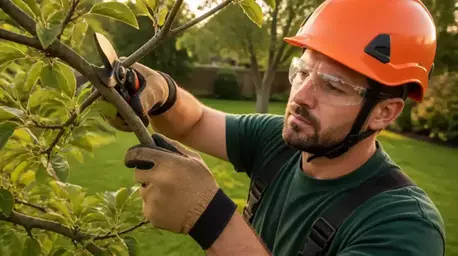 Did you know that improperly managed tree care can lead to severe accidents and costly damage? Prior
Finding Trustworthy Landscaper Reviews
![Finding Trustworthy Landscaper Reviews]() In the quest for the perfect outdoor transformation, the right landscaping professional can make all
In the quest for the perfect outdoor transformation, the right landscaping professional can make all
 In the quest for the perfect outdoor transformation, the right landscaping professional can make all
Verify Safety Certifications to Avoid Scams
![Verify Safety Certifications to Avoid Scams]() Safety certifications are not just bureaucratic red tape; they are essential in safeguarding your ho
Safety certifications are not just bureaucratic red tape; they are essential in safeguarding your ho
 Safety certifications are not just bureaucratic red tape; they are essential in safeguarding your ho
Tips for Caring for Landscaping
![Tips for Caring for Landscaping]() Have you ever marveled at a home with a stunning garden and wondered what secrets lay behind its bea
Have you ever marveled at a home with a stunning garden and wondered what secrets lay behind its bea
 Have you ever marveled at a home with a stunning garden and wondered what secrets lay behind its bea
