Hard Hats
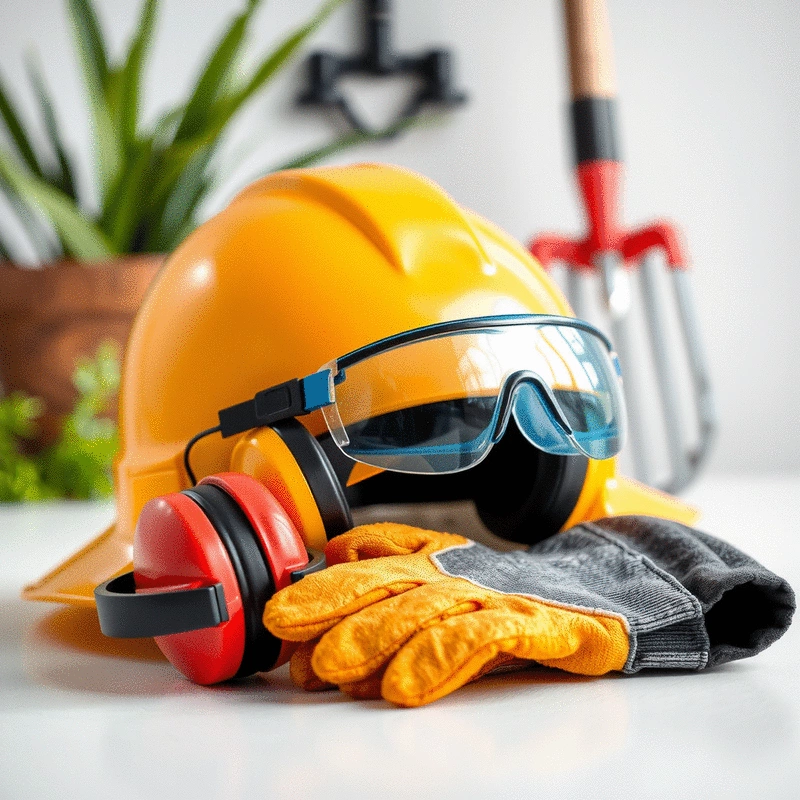
Essential for head protection against falling objects.
Did you know that investing in safety equipment can significantly reduce workplace accidents in the landscaping industry? Understanding its importance is crucial for both landscaping professionals and homeowners alike. Here's what you will learn about the critical role of safety equipment in landscaping projects.
This visual outlines the key types of safety equipment that are crucial for landscaping professionals to ensure a safe working environment.
Essential for head protection against falling objects.
Important for enhancing worker visibility in busy environments.
Protect hands from cuts, abrasions, and chemicals.
Vital for safeguarding hearing when using loud equipment.
Crucial for responding to emergencies quickly and effectively.
When it comes to landscaping, safety equipment is not just a recommendation; it’s a necessity! The risks involved in this industry can be significant, from operating heavy machinery to handling sharp tools and chemicals. At BranchProof, we understand that being aware of these potential dangers is the first step toward ensuring a safe working environment for all landscaping professionals.
Many homeowners may not realize the complexities and hazards that come with landscaping. Without proper safety gear, workers are exposed to various risks, including falls, cuts, and hearing damage. That's why investing in safety equipment should be a top priority for anyone in the business. It not only protects the workers but also enhances the overall quality of the job.
Safety equipment serves as a frontline defense against accidents and injuries in landscaping. Think about it: when you see a crew working on a yard, do you notice whether they’re wearing the right gear? That’s because it’s so vital! Proper safety equipment can largely reduce the likelihood of accidents and increase worker confidence. The Occupational Safety and Health Administration (OSHA) provides specific standards for the landscaping industry, emphasizing the importance of appropriate safety measures.
Moreover, using safety equipment contributes to a professional image, showcasing that a landscaping company values its workers. When clients see workers equipped with the right protective gear, it instills trust and reassurance about the safety practices in place. It’s not just about compliance—it's about cultivating a culture of safety!
Let’s dive into the various safety equipment that every landscaping professional should consider. Personal Protective Equipment (PPE) is at the top of the list. It includes a variety of items that are essential for protecting workers from common hazards on the job, as highlighted by the National Association of Landscape Professionals.
Some essential safety equipment includes:
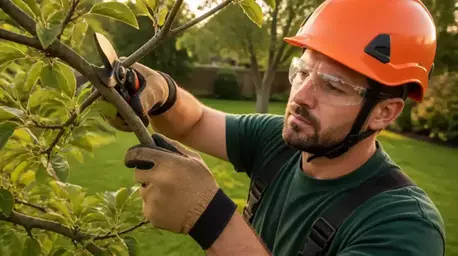
Hard hats are a crucial piece of safety equipment in landscaping. They protect against head injuries from falling objects or accidental bumps. Picture this: a worker is trimming a tree, and a branch unexpectedly falls. A hard hat can mean the difference between a minor inconvenience and a serious injury.
It's not just about wearing them; it's about ensuring they meet safety standards. When choosing hard hats, look for those that comply with ANSI standards. This way, you're not just following regulations; you're actively working to keep your team safe!
In landscaping, visibility is incredibly important, especially when working near roads or in crowded areas. High-visibility vests ensure that workers are easily seen by both colleagues and the public. This simple piece of equipment can significantly reduce the risk of accidents.
When selecting vests, opt for those made from bright materials with reflective strips to enhance visibility in low-light conditions. Remember, a visible worker is a safe worker!
Every landscaper should also invest in gloves, safety glasses, and steel-toed boots. Gloves protect hands from cuts and abrasions while providing a better grip on tools. Safety glasses guard against flying debris—think of those pesky wood chips flying while pruning!
Steel-toed boots are another critical component, protecting feet from heavy items that might fall. Just imagine accidentally dropping a shovel—you’ll be grateful for that extra layer of protection!
Landscaping often requires the use of loud equipment like lawnmowers and chainsaws. Ear protection is vital in these environments to prevent long-term hearing damage. Noise-cancelling headphones can be a great option, allowing workers to focus while reducing harmful sounds.
Encouraging your team to wear ear protection isn’t just a suggestion; it’s part of a comprehensive safety strategy. Protecting hearing is as important as protecting against physical injuries!
A first aid kit should be a staple on every landscaping job site. Injuries can happen, and being prepared can make a significant difference. Having a well-stocked kit ensures that minor injuries can be treated promptly, reducing the risk of complications.
Make it a point to regularly check and replenish the supplies in your first aid kit. Including items like band-aids, antiseptic wipes, and gauze can be lifesavers in emergencies!
Chainsaws are incredibly useful in landscaping but can be very dangerous without the right safety measures in place. Always ensure that operators are trained in chainsaw safety and are wearing appropriate personal protective equipment, such as gloves and chainsaw chaps.
Before starting any job, it's essential to assess the environment for potential hazards and ensure that everyone is aware of emergency procedures. This preparation helps create a safe working environment and instills confidence in the team. Remember, safety first! For more detailed information on safety guidelines, visit OSHA's landscaping safety resources.
As landscaping professionals, your insights matter! How do you feel about the current safety practices in your workplace? Choose one of the options below:
Safety equipment is crucial in landscaping to protect workers from significant risks such as falls, cuts, hearing damage, and exposure to chemicals and heavy machinery. It reduces the likelihood of accidents and injuries, ensuring a safer working environment.
Essential PPE for landscapers includes hard hats for head protection, high-visibility vests for visibility, gloves to protect hands, safety glasses to shield eyes from debris, steel-toed boots for foot protection, and ear protection to prevent hearing damage from loud equipment.
Hard hats protect against head injuries from falling objects (like branches during tree trimming) or accidental bumps against obstacles. They are a critical barrier between potential hazards and the worker's head.
High-visibility vests are vital for enhancing worker visibility, especially when working near roads, in busy environments, or in low-light conditions. They help prevent accidents by making workers easily seen by colleagues, drivers, and the public.
First aid kits are essential for emergency preparedness. They allow for the prompt treatment of minor injuries, helping to prevent complications and ensuring that workers can receive immediate care on-site before professional medical help arrives, if needed.
In the landscaping industry, safety equipment is not just a choice; it’s a necessity! From wearing hard hats to utilizing ear protection, the right gear plays a crucial role in protecting workers from potential hazards. Whether it’s operating heavy machinery or working with hazardous materials, the proper safety measures can make all the difference in preventing accidents and ensuring compliance with industry regulations.
We’ve explored various types of safety equipment, emphasizing how each piece contributes to a safer work environment. For instance, personal protective equipment (PPE) such as gloves and high-visibility vests not only safeguard workers but also promote a culture of safety on the job site. The presence of well-equipped teams fosters confidence and enhances productivity while minimizing risks.
As we wrap up our discussion, I encourage all landscaping professionals to take a moment and evaluate their current safety practices. Are you equipped with the necessary safety gear? At BranchProof, we believe that investing in high-quality safety equipment is a smart move that not only protects your team but also enhances your business's reputation.
Consider conducting a thorough review of your safety protocols and ensuring that your team is trained in using the equipment correctly. Here are some actionable next steps to get you started:
By prioritizing safety, you can create a work environment that not only meets regulatory compliance but also ensures the well-being of your employees. Let’s work together to build a safer future in landscaping!
Here is a quick recap of the important points discussed in the article:
As a passionate advocate for homeowners navigating the complexities of tree care and home improvement, I am dedicated to providing reliable insights that empower you to make informed decisions. At BranchProof, we believe that with the right knowledge, you can confidently select trustworthy professionals to enhance your living space while ensuring quality and safety.