Falls
Workers can easily slip or trip, especially when working on ladders or scaffolding.
Have you ever considered how the excitement of a home renovation can overshadow the necessity of safety? Understanding the importance of contractor safety not only protects your investment but also safeguards your loved ones. As a homeowner, your engagement in safety practices is essential to ensure a successful renovation.
Here is a visual representation of some common safety risks associated with home renovations, highlighting their potential consequences.
Workers can easily slip or trip, especially when working on ladders or scaffolding.
Renovations often disturb existing electrical systems, leading to potential shock risks.
Moving materials can lead to muscle strains or injuries if not done correctly.
Renovation work can sometimes involve the use of dangerous chemicals or materials.
When it comes to home renovations, safety is more than just a buzzword; it’s a necessity! As homeowners, we often focus on the aesthetic changes we want to achieve, but we must not overlook the potential risks involved in these projects. Understanding the importance of contractor safety is essential to both protecting your property and ensuring a safe environment for everyone involved in the renovation process. For more insights on ensuring contractor reliability, consider verifying tree care service reviews, a process that can also apply to other home renovation contractors.
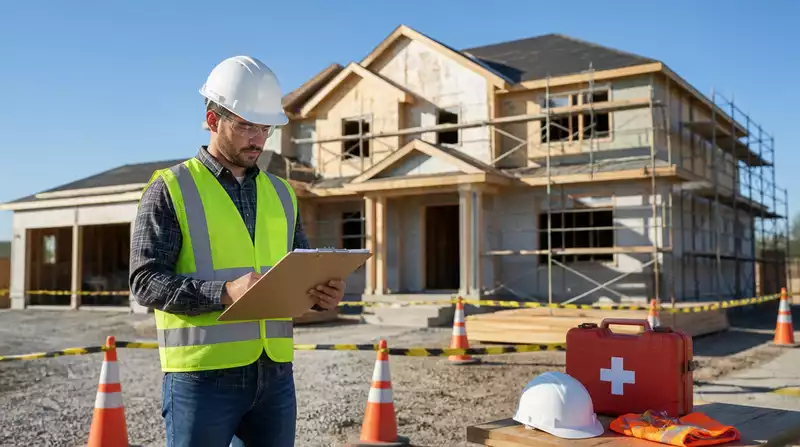
One key aspect to consider is that construction sites are often fraught with hazards. From heavy equipment to hazardous materials, there are numerous risks that can pose serious threats. By prioritizing safety protocols, we can help prevent accidents and ensure that every contractor has the proper measures in place to complete the job safely.
Every home renovation project comes with its own set of unique challenges. As a homeowner, you need to be aware of the specific risks associated with your renovation. Here are some common safety risks to keep in mind:
Being aware of these risks allows homeowners to communicate effectively with contractors about safety measures. It’s important to ask your contractor how they plan to address these hazards while working on your home. This proactive approach not only keeps everyone safe but also fosters a sense of trust and reliability between you and your contractor.
As homeowners, we have a vital role to play in ensuring a safe working environment. It’s not just about hiring the right contractor; it’s also about being informed and engaged. Here are some responsibilities that can help you contribute to safety during renovations:
By taking these steps, you can help create a safer renovation environment. Remember, at BranchProof, we believe that empowering homeowners with knowledge is key to enhancing safety in home improvement projects. Your commitment to a safe work environment not only protects your home but also fosters a positive working relationship with contractors, ensuring a smoother renovation experience! For more detailed guidance, learn how to verify home improvement safety practices before any work begins.
Did you know? Engaging in regular safety meetings with your contractor can significantly enhance awareness of potential hazards on-site. Make it a point to discuss safety protocols at the beginning of each day, ensuring everyone is aligned and prepared for the tasks ahead. This proactive approach not only reinforces safety measures but also encourages a culture of open communication among all workers.
When it comes to home renovations, the safety of our children and pets is a top priority. As a homeowner, it’s essential to develop a solid safety plan that keeps everyone safe from potential hazards during the renovation process. From covering sharp tools to ensuring a safe environment, being proactive can make all the difference!
First, consider creating designated areas where kids and pets cannot access. This can be as simple as using gates or barriers to keep them away from construction zones. Additionally, you can arrange for family members or friends to watch over them during the most chaotic times. Having a plan helps you stay focused on the project without worrying about their safety.
It’s crucial to communicate your safety plan with contractors working on your home. Make sure they understand the importance of keeping hazardous areas secure and maintaining a clean workspace. This can help to minimize risks and maintain a safe environment for your little ones and furry friends. For comprehensive safety measures, consider understanding essential contractor safety protocols.
Additionally, ask contractors how they plan to handle safety concerns during the renovation process. They should be well-versed in practices that protect both your family and their workers. A clear understanding can lead to a more harmonious working relationship and a smoother project!
As we wrap up this discussion on contractor safety, it’s essential to remember that proactive safety management is vital in ensuring a successful home renovation. At BranchProof, I believe that understanding safety measures and responsibilities leads to more informed decisions. This knowledge empowers you to choose qualified professionals who prioritize your family's well-being.
By actively engaging in safety planning, communicating effectively with contractors, and staying vigilant, homeowners can significantly reduce risks associated with renovations. Taking these steps not only protects your family but also sets the stage for a successful project!
I encourage every homeowner to take action and prioritize safety during home improvement projects. It’s easy to overlook potential risks when you’re excited about the changes coming to your space. However, by implementing safety protocols, you’ll not only create a secure environment but also foster trust with your chosen contractors. Learning about choosing the right tree care service, for example, shares principles applicable to selecting any reliable contractor.
Remember, the goal is to enhance your living space while keeping everyone safe. So, let’s make safety a priority—it’s an investment in your peace of mind!
When it comes to contractor safety, many homeowners have questions. Here are some of the most common inquiries:
For more information on contractor safety, consider checking out trusted resources such as the Occupational Safety and Health Administration (OSHA) website or local building codes. Additionally, BranchProof offers valuable insights and articles to guide homeowners through the tree care and home improvement process.
Risk assessment and Job Hazard Analysis (JHA) are important tools in enhancing job safety. These methods help identify potential hazards and provide strategies to mitigate them effectively. By understanding these concepts, homeowners can play an active role in ensuring a safe working environment.
Utilizing risk assessments and JHAs allows contractors to pinpoint risks before they become an issue. This proactive approach can prevent accidents and injuries, making a significant difference in the safety of the job site.
Incident reporting is another key aspect of safety management. It’s essential for contractors to have procedures in place to document any accidents that occur on-site. This not only helps in addressing the immediate concern but also assists in improving safety measures for the future.
Here is a quick recap of the important points discussed in the article:
As a passionate advocate for homeowners navigating the complexities of tree care and home improvement, I am dedicated to providing reliable insights that empower you to make informed decisions. At BranchProof, we believe that with the right knowledge, you can confidently select trustworthy professionals to enhance your living space while ensuring quality and safety.