Essential DIY Tree Care Safety
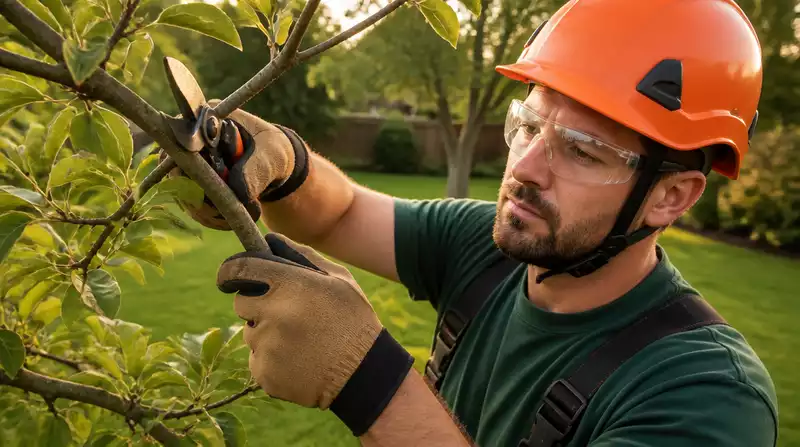
Did you know that improperly managed tree care can lead to severe accidents and costly damage? Prioritizing safety is essential in DIY tree maintenance, and with the right knowledge, you can protect yourself while enjoying the beauty of your yard.
What You Will Learn
- The significance of proper training and awareness of surroundings when engaging in tree care.
- How to assess risks before starting any tree maintenance tasks.
- Essential personal protective equipment (PPE) to use for safe tree care.
- Key safety practices to minimize accidents during DIY tree projects.
- The importance of continuous learning and staying updated on tree care safety protocols.
- Available resources and community support for enhancing your tree care knowledge and safety practices.
Essential Safety Practices for DIY Tree Care
Implementing crucial safety measures can greatly reduce risks associated with tree maintenance. Below is an overview of essential safety practices that every homeowner should adopt. For more detailed information on preventing mishaps, consider learning about safety standards in tree care.
Wear Personal Protective Equipment (PPE)
Always use hard hats, safety glasses, and sturdy footwear to protect yourself while working.
Assess Workspace for Hazards
Check for power lines and other potential risks in your work area before starting any project.
Use Proper Tools
Ensure the tools are appropriate for the job and in good working condition to avoid accidents.
Communicate Your Plans
Inform others nearby about your tree care activities to prevent any surprises while working.
Understanding the Importance of Safety in DIY Tree Care
When it comes to tree care, *safety* should always be your top priority. As a homeowner, you might feel the urge to tackle tree maintenance yourself, but understanding the potential risks involved is crucial. At BranchProof, we believe that with the right knowledge and precautions, you can safely enjoy the benefits of DIY tree care while keeping your property and loved ones safe.
Proper safety measures help prevent accidents and injuries, ensuring that your tree maintenance tasks go smoothly. Whether you're trimming branches or assessing the health of a tree, being aware of safety practices is vital. Trust me, knowledge is your best ally on this journey!
The Role of Safety in Home Tree Maintenance
In any home improvement project, safety plays a critical role, especially in tree maintenance. Engaging with tree care requires a solid understanding of both the tools and techniques involved. Are you prepared to protect yourself and others while working in your yard? Here are some key safety aspects to consider:
- Proper training on equipment usage
- Awareness of your surroundings
- Keeping a first-aid kit handy
By prioritizing safety, you not only protect yourself but also promote a culture of responsibility in your community. As someone who cares deeply about homeowners, I encourage you to be mindful of safety standards when working on your trees. For comprehensive safety measures, it's always a good idea to verify home improvement safety practices.
Assessing Risks: Why Safety Comes First
Assessing risks is a vital step before embarking on any DIY tree care project. It’s essential to take a moment to evaluate the environment and potential hazards. Are there power lines nearby? Is the tree close to your home? Understanding these risks can help you make informed decisions about your project.
Taking the time to identify potential dangers can save you from accidents and costly damage. Consider these factors when assessing your tree care tasks:
- Height of the tree and branches
- Proximity to structures or roads
- Weather conditions (wind, rain, etc.)
At BranchProof, we advocate for a proactive approach to safety. It’s not just about avoiding accidents; it’s about ensuring that every tree care project is a positive experience for you and your family.
Pro Tip
Before you start any tree care project, take a few moments to plan your approach. A well-thought-out plan not only helps in identifying potential hazards but also ensures that you have all necessary tools and safety equipment on hand. For instance, consider mapping out the area around your tree, noting any obstacles or hazards, and determining the best way to access the tree without risking injury. Remember, preparation is key to a safe and successful DIY tree care experience!
Summarizing Key Safety Tips for DIY Tree Care
As we wrap up our discussion on DIY tree care, it’s crucial to highlight some key safety practices that every homeowner should remember. Implementing these tips can significantly reduce accidents and ensure a safer experience in your yard. First and foremost, always wear the correct personal protective equipment (PPE) when working around trees. This includes hard hats, safety glasses, and sturdy footwear. Remember, your safety is the top priority!
Next, always be aware of your surroundings. This means checking for power lines and surveying the area for potential hazards before beginning any tree work. If you're unsure or feel overwhelmed, it’s perfectly okay to reach out for help. As a dedicated advocate for safe tree care, I believe that knowledge and preparation are your best allies!
Overview of Essential Safety Practices
Here’s a handy overview of essential safety practices for your DIY tree care projects:
- Always wear PPE such as hard hats and safety glasses.
- Assess your workspace for hazards before starting.
- Use the right tools for the job and ensure they are in good condition.
- Communicate with anyone nearby about your plans to avoid surprises.
- Understand your tree’s health and growth patterns to avoid unnecessary risks.
By keeping these practices in mind, you can minimize risks and enjoy the process of taking care of your trees. It's all about creating a safe environment for yourself and those around you! For an in-depth guide, check out our article on essential safety gear for landscaping.
Importance of Continuous Learning about Tree Care Safety
Safety in tree care isn't just a one-time checklist; it’s an ongoing commitment. Just like any other skill, continuous learning helps you stay informed about the latest safety protocols and best practices. Consider attending local workshops or reading up on tree care safety from reputable sources. BranchProof aims to empower homeowners with the knowledge needed to tackle tree maintenance responsibly.
Additionally, follow industry trends and regulations to understand better how to manage your trees safely. The more you know, the better equipped you are to handle challenges that may arise!
Encouraging Safe and Responsible Tree Maintenance
As a homeowner, you play a vital role in maintaining the beauty and health of your trees. It's essential to prioritize safety in your DIY projects to protect yourself and your property. Whether you are pruning branches or assessing tree health, always keep safety as your guiding principle.
Resources for Homeowners on Tree Care Safety
To further assist you in your tree care journey, here are some valuable resources to explore:
- Local extension offices that offer guidance on tree care.
- Online platforms like BranchProof, where you can find tips and best practices.
- Community workshops that provide hands-on tree care training.
- Safety gear retailers that offer advice on the best equipment for your needs.
These resources can provide you with a wealth of information, helping you navigate the world of tree care confidently and safely!
Call to Action: Prioritize Safety in Your DIY Tree Projects
Now that you’re armed with essential safety tips and resources, I encourage you to take action! Before starting any tree care project, revisit your safety checklist and ensure you are well-prepared. Remember, safety is not just a guideline; it’s a practice that protects you and enhances the quality of your work!
Community Resources and Local Regulations for Tree Care
Lastly, it's crucial to understand local regulations regarding tree care. Various communities have specific ordinances that govern tree maintenance, especially near power lines and public spaces. Always check with your local authorities or community resources to ensure compliance with these regulations.
By being aware of local laws and tapping into community resources, you can ensure that your DIY tree care maintains both safety and legality. This is just one more way to enhance your tree care practices, promoting a safer environment for everyone! For additional insights on ensuring safe and responsible tree maintenance, read about choosing the right tree care service.
Frequently Asked Questions About DIY Tree Care Safety
Q: Why is safety so important in DIY tree care?
A: Prioritizing safety in DIY tree care is crucial to prevent accidents, injuries, and costly property damage. Understanding potential risks and implementing proper precautions ensures a smooth and safe maintenance process for both you and your property.
Q: What essential personal protective equipment (PPE) should I use for tree care?
A: When engaging in tree care, always wear a hard hat, safety glasses, and sturdy footwear. Depending on the task, you might also need gloves, hearing protection, and appropriate clothing to protect yourself from falling debris and tools.
Q: How should I assess risks before starting a tree care project?
A: Before any tree care project, assess the environment for potential hazards. Check for nearby power lines, the proximity of the tree to structures or roads, the height of the tree and branches, and current weather conditions (e.g., strong winds or rain). This helps you make informed decisions and prevent accidents.
Q: What are some key safety practices to minimize accidents during DIY tree projects?
A: Key safety practices include wearing appropriate PPE, assessing your workspace for hazards, using the correct tools in good condition, communicating your plans to others nearby, and understanding your tree's health and growth patterns. Continuous learning about safety protocols is also vital.
Q: Where can I find resources to enhance my tree care knowledge and safety practices?
A: You can find valuable resources through local extension offices, online platforms like BranchProof, community workshops that offer hands-on training, and safety gear retailers who provide advice on equipment. Additionally, staying updated on local regulations and industry trends is highly recommended.
Recap of Key Points
Here is a quick recap of the important points discussed in the article:
- Prioritize safety by wearing personal protective equipment (PPE) like hard hats and safety glasses.
- Always assess your workspace for hazards before starting any tree care tasks.
- Use appropriate tools and ensure they are in good working condition to minimize risks.
- Communicate your plans with anyone nearby to avoid accidents.
- Stay informed about tree health and continuous learning to keep up with safety protocols.
- Consult local resources and regulations for safe tree maintenance practices in your area.

Clara Montgomery
As a passionate advocate for homeowners navigating the complexities of tree care and home improvement, I am dedicated to providing reliable insights that empower you to make informed decisions. At BranchProof, we believe that with the right knowledge, you can confidently select trustworthy professionals to enhance your living space while ensuring quality and safety.
Popular Posts
Essential DIY Tree Care Safety
![Essential DIY Tree Care Safety]() Did you know that improperly managed tree care can lead to severe accidents and costly damage? Prior
 Did you know that improperly managed tree care can lead to severe accidents and costly damage? Prior
Finding Trustworthy Landscaper Reviews
![Finding Trustworthy Landscaper Reviews]() In the quest for the perfect outdoor transformation, the right landscaping professional can make all
 In the quest for the perfect outdoor transformation, the right landscaping professional can make all
Verify Safety Certifications to Avoid Scams
![Verify Safety Certifications to Avoid Scams]() Safety certifications are not just bureaucratic red tape; they are essential in safeguarding your ho
 Safety certifications are not just bureaucratic red tape; they are essential in safeguarding your ho
Tips for Caring for Landscaping
![Tips for Caring for Landscaping]() Have you ever marveled at a home with a stunning garden and wondered what secrets lay behind its bea
 Have you ever marveled at a home with a stunning garden and wondered what secrets lay behind its bea
