Safety Standards in Tree Care
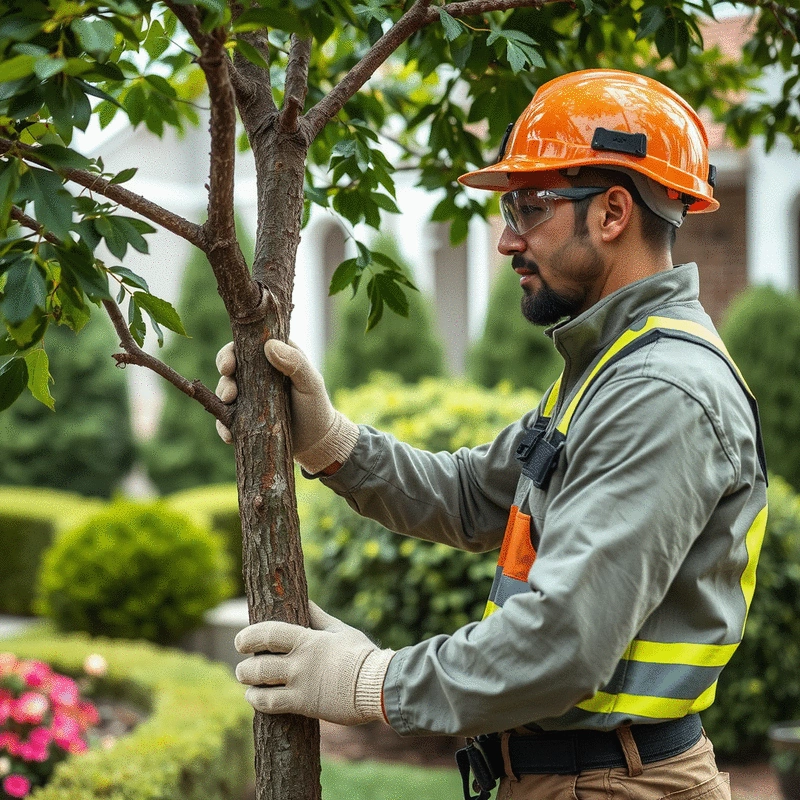
Safety standards in tree care and landscaping aren't just mere guidelines; they are crucial for the well-being of workers and the environment. As experts emphasize, recognizing and implementing these standards can significantly minimize risks and enhance the quality of work performed in the field.
What You Will Learn
- Understanding the roles of OSHA and ANSI in establishing safety protocols for tree care and landscaping.
- How safety standards protect workers by reducing accidents and fostering a culture of safety.
- The importance of integrating landscaping standards into tree care safety protocols to enhance operational effectiveness.
- Best practices for safe use of landscaping equipment, including regular inspections and proper training.
- Awareness of emerging hazards in landscaping, such as new machinery and chemical treatments.
- Effective strategies for ground protection and worksite safety to prevent accidents and environmental damage.
Safety Standards in Tree Care and Landscaping
Key safety standards set by OSHA and ANSI are crucial for protecting workers and the environment in tree care and landscaping. When choosing a professional, it's wise to consider choosing the right tree care service that adheres to these rigorous guidelines.
OSHA (Occupational Safety and Health Administration)
Focuses on enforcing safety regulations to ensure safe working conditions.
ANSI (American National Standards Institute)
Develops voluntary consensus standards outlining best practices for safety.
Protecting Workers
By following safety standards, the likelihood of accidents and injuries is reduced.
Protecting the Environment
Standards encourage sustainable practices and minimize environmental impact.
Understanding the Importance of Safety Standards in Tree Care and Landscaping
When it comes to tree care and landscaping, safety standards are not just guidelines—they're essential for protecting workers and the environment. It's crucial to recognize that these standards help to minimize risks and ensure that everyone goes home safe at the end of the day. With my experience at BranchProof, I've seen how proper safety measures can make all the difference in the quality of work and the well-being of everyone involved.
Without adhering to established safety protocols, we run the risk of accidents that can not only harm workers but also damage property and the environment. It’s not just about regulations; it’s about creating a culture that values safety above all. So, let’s dive into what these safety standards truly mean and how they apply to our industry.
Defining Key Safety Standards: OSHA and ANSI Explained
The two main organizations that set safety standards in the tree care and landscaping sectors are the Occupational Safety and Health Administration (OSHA) and the American National Standards Institute (ANSI). OSHA focuses on ensuring safe working conditions by setting and enforcing standards. Their regulations provide a framework for workplace safety that can help prevent accidents and injuries.
On the other hand, ANSI develops voluntary consensus standards that outline best practices for specific industries, including tree care. These standards are crucial for ensuring that both workers and the environment are protected while performing potentially dangerous tasks. Understanding these frameworks can empower you to make informed decisions when hiring tree care and landscaping professionals. Additionally, it's important to verify home improvement safety practices to ensure your project is handled responsibly.
- OSHA: Focuses on enforcing safety regulations.
- ANSI: Develops voluntary consensus standards.
- Both: Aim to protect workers and the environment.
The Role of Safety Standards in Protecting Workers and the Environment
Safety standards play a vital role in protecting both the people who work in tree care and the natural surroundings they operate in. For instance, by implementing these standards, businesses can reduce the likelihood of accidents, which not only safeguards workers but also minimizes environmental impact. Imagine a team working confidently on a beautiful landscape, knowing they have the right safety measures in place!
Additionally, these standards often address environmental concerns, such as proper waste disposal and the use of eco-friendly practices. By following OSHA and ANSI guidelines, tree care professionals can enhance their reputation and foster trust with clients. At BranchProof, we believe that knowledge of these standards is essential for both homeowners and professionals in the industry.
- Protecting Workers: Reduces accidents and injuries.
- Protecting the Environment: Encourages sustainable practices.
- Building Trust: Ensures transparency and accountability.
Frequently Asked Questions (FAQs) about Safety Standards in Tree Care and Landscaping
What are the primary organizations that set safety standards in tree care and landscaping?
The primary organizations are OSHA (Occupational Safety and Health Administration), which enforces safety regulations, and ANSI (American National Standards Institute), which develops voluntary consensus standards for best practices.
Why are safety standards important in tree care and landscaping?
Safety standards are crucial for protecting workers from accidents and injuries, minimizing environmental impact through sustainable practices, and building trust and accountability with clients.
How do landscaping standards integrate with tree care safety protocols?
Integrating landscaping standards involves recognizing the specific equipment used, establishing tailored guidelines, and implementing best practices like regular inspections, proper training, and the use of PPE to create a more effective safety strategy.
What are some best practices for safe use of landscaping equipment?
Best practices include regular inspections for wear and tear, ensuring proper training for all team members, safe handling according to manufacturer instructions, and consistent use of Personal Protective Equipment (PPE).
What emerging hazards should landscaping professionals be aware of?
Emerging hazards include risks associated with drone usage, complex controls of advanced machinery, and potential health risks from innovative chemical treatments. Staying informed and proactive is key to mitigating these dangers.
Quick Summary
Here's a brief recap of the key points discussed so far:
- Safety standards, such as those set by OSHA and ANSI, are crucial for protecting workers and the environment in tree care and landscaping.
- Implementing these standards not only reduces accidents but also fosters trust and accountability with clients.
- Integrating landscaping standards into tree care safety protocols enhances both safety and work quality.
Integrating Landscaping Standards into Tree Care Safety Protocols
When it comes to maintaining a safe work environment in tree care, it's vital to integrate landscaping standards into your safety protocols. At BranchProof, we believe that understanding these standards not only enhances safety but also boosts the overall quality of work. By aligning tree care operations with landscaping best practices, you can create a more effective safety strategy that benefits both workers and the environment!
One of the keys to achieving this integration is recognizing the different types of equipment used in landscaping. This allows professionals to establish specific guidelines tailored to their tools and procedures. Let's dive into the best practices that can help you navigate this integration smoothly. For instance, ensuring essential safety gear for landscaping is readily available and properly used is a critical component.
Landscaping Equipment Safety: Best Practices to Follow
Using landscaping equipment safely is crucial for preventing accidents and injuries. Here are some important best practices to keep in mind:
- Regular Inspections: Check equipment for wear and tear before each use to ensure it's in good working condition.
- Proper Training: Make sure all team members are trained on the specific equipment they will be using.
- Safe Handling: Always follow the manufacturer's instructions for operation and maintenance.
- Use Personal Protective Equipment (PPE): Ensure all workers are equipped with the right PPE while handling machinery.
By implementing these practices, you can significantly reduce the risk of accidents on the job site and promote a culture of safety within your team. Remember, a safe work environment fosters productivity and confidence among workers!
Addressing Emerging Hazards in Landscaping Operations
Landscaping is an evolving field with new technologies and practices emerging regularly. However, these advancements can introduce new hazards. It's essential to stay informed about these risks and how to address them. Here are some common emerging hazards:
- Drone Usage: While drones can enhance landscape planning, operators must be trained to avoid collisions and respect privacy laws.
- Advanced Machinery: New machines may come with complex controls that require specific training for safe operation.
- Chemical Treatments: Innovative landscaping materials can pose health risks, so proper handling and training are crucial.
By keeping abreast of these hazards, landscaping professionals can take proactive measures to mitigate risks and enhance safety on the job site. It's all about adapting to change while ensuring that safety remains a top priority! You can also learn more about verifying tree care service reviews to ensure providers meet safety expectations.
Ground Protection and Worksite Safety in Landscaping
Ground protection is often overlooked but is essential in any landscaping operation. It not only protects the landscape but also ensures worker safety. Implementing proper ground protection can prevent accidents and damage to the environment. Here are some effective strategies:
- Use Ground Mats: These can help distribute weight and reduce soil compaction.
- Plan Work Zones: Clearly mark areas where heavy equipment will be used to minimize risk.
- Monitor Weather Conditions: Wet conditions can create hazardous situations; adjust operations accordingly.
Integrating ground protection strategies is a simple yet effective way to enhance safety and preserve the integrity of outdoor spaces. At BranchProof, we emphasize the importance of these measures in our resources, helping homeowners and professionals alike prioritize safety in their landscaping projects! When hiring landscaping professionals safely, always inquire about their ground protection protocols.
Recap of Key Points
Here is a quick recap of the important points discussed in the article:
- Adherence to Safety Standards: Following OSHA and ANSI guidelines is essential for protecting workers and the environment in tree care and landscaping.
- Integrating Landscaping Standards: Merging landscaping practices with tree care safety protocols enhances overall work quality and safety.
- Equipment Safety Best Practices: Regular inspections, proper training, safe handling, and the use of PPE are crucial for preventing accidents.
- Awareness of Emerging Hazards: Stay informed about new risks from advancements like drones, advanced machinery, and chemical treatments to mitigate potential dangers.
- Ground Protection Strategies: Implementing ground mats and planning work zones can prevent accidents and protect the landscape during operations.

Clara Montgomery
As a passionate advocate for homeowners navigating the complexities of tree care and home improvement, I am dedicated to providing reliable insights that empower you to make informed decisions. At BranchProof, we believe that with the right knowledge, you can confidently select trustworthy professionals to enhance your living space while ensuring quality and safety.
Popular Posts
Essential DIY Tree Care Safety
![Essential DIY Tree Care Safety]() Did you know that improperly managed tree care can lead to severe accidents and costly damage? Prior
Did you know that improperly managed tree care can lead to severe accidents and costly damage? Prior
 Did you know that improperly managed tree care can lead to severe accidents and costly damage? Prior
Finding Trustworthy Landscaper Reviews
![Finding Trustworthy Landscaper Reviews]() In the quest for the perfect outdoor transformation, the right landscaping professional can make all
In the quest for the perfect outdoor transformation, the right landscaping professional can make all
 In the quest for the perfect outdoor transformation, the right landscaping professional can make all
Verify Safety Certifications to Avoid Scams
![Verify Safety Certifications to Avoid Scams]() Safety certifications are not just bureaucratic red tape; they are essential in safeguarding your ho
Safety certifications are not just bureaucratic red tape; they are essential in safeguarding your ho
 Safety certifications are not just bureaucratic red tape; they are essential in safeguarding your ho
Tips for Caring for Landscaping
![Tips for Caring for Landscaping]() Have you ever marveled at a home with a stunning garden and wondered what secrets lay behind its bea
Have you ever marveled at a home with a stunning garden and wondered what secrets lay behind its bea
 Have you ever marveled at a home with a stunning garden and wondered what secrets lay behind its bea
