Liability Insurance Coverage
- Accidental Bodily Injury
- Property Damage
- Injuries to Contractors/Subcontractors
- Legal Fees for Lawsuits
When it comes to home improvement, understanding the ins and outs of liability insurance can mean the difference between a smooth project and a costly disaster. Did you know that a single accident could lead to thousands in unexpected expenses? Let's explore the essential knowledge you need to safeguard your next renovation endeavor.
Understanding liability insurance is essential for homeowners and contractors as it protects against bodily injury and property damage during home improvement projects. Below are the key coverage areas and exclusions that are crucial to know. When engaging with contractors, it's also wise to verify their credentials and safety practices to ensure a secure project.
When diving into home improvement projects, understanding liability insurance is crucial for both homeowners and contractors. This insurance protects against potential financial losses arising from claims of bodily injury or property damage that may occur during a project. Whether you're updating your landscaping or renovating your home, having a solid grasp of liability insurance can save you from unexpected headaches!
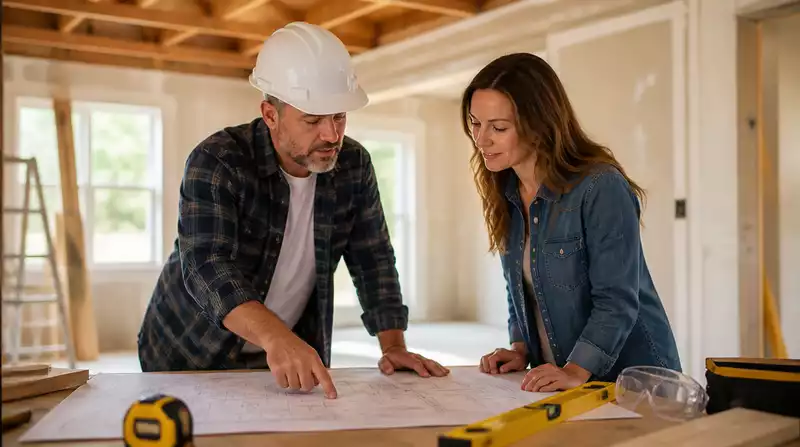
Liability insurance in home improvement is designed to cover damages that might occur while work is being done. For contractors, this could mean coverage for accidents that happen on the job site. Homeowners benefit as well, knowing they can request proof of coverage to ensure safety and security.
Having this insurance is not just a formality; it’s a safeguard that builds trust. When hiring contractors, asking for their liability insurance details shows you are proactive about protecting yourself and your property. Remember, it’s always better to be safe than sorry!
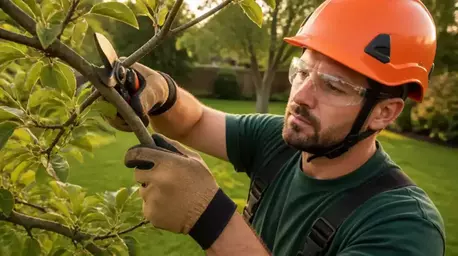
The role of liability insurance in home improvement projects is profound. It provides a safety net if an injury occurs or if there’s damage to your property during work. This means, if a contractor accidentally damages your fence while working on a tree removal, their liability insurance can cover the repair costs. To ensure comprehensive protection, it's also smart to understand insurance basics for landscaping projects, which often involve similar risks.
Moreover, it reassures homeowners that their contractors are serious about their work and ready to handle any mishaps. This peace of mind can make a significant difference in how you approach your home improvement projects!
One of the primary functions of liability insurance is to protect against accidental bodily injury and property damage. This means if a worker gets injured on your property or if someone trips over tools left out, the insurance can help cover medical costs. It’s essential to know that this protection extends to both the contractor’s employees and any visitors present during the work.
Essentially, liability insurance acts as a financial shield, ensuring that unexpected accidents don't wipe out your savings. It’s an excellent investment for peace of mind, knowing that unexpected costs won’t completely derail your home improvement plans!
When considering liability insurance, it's helpful to know what specific situations are included. Most policies will cover:
These inclusions are essential, especially when assessing potential risks in a home improvement project. Having a clear understanding of what’s covered can give you confidence when moving forward!
Different types of liability insurance can provide various levels of protection. The most common include:
By understanding these different types of coverage, homeowners can make informed decisions when selecting contractors. At BranchProof, we emphasize the importance of reviewing these policies so you can feel secure in your home improvement endeavors! It's also important to verify tree care service reviews to ensure you're choosing a reputable and insured professional.
While liability insurance offers significant protection, it's equally important to understand what it does not cover. Common exclusions can include:
Being aware of these exclusions can help you better prepare for any potential risks and ensure that you have additional coverage where necessary!
Another area where liability insurance typically falls short is in covering faulty workmanship. If a contractor does a shoddy job that leads to further damage, you might not be able to claim it under their liability insurance. Instead, this may require different types of coverage or even legal action.
Understanding these limitations is essential for homeowners. It enables you to ask the right questions when hiring contractors and ensures that you have the right protection in place!
Lastly, always pay attention to the policy limits and exclusions. Each insurance policy will specify the maximum amount they will pay out for a claim, which can vary significantly. Homeowners should familiarize themselves with these limits to avoid surprises down the road.
By understanding these factors, you can better protect yourself and your investment. Remember, a well-informed homeowner is a confident homeowner!
Before starting any home improvement project, always ask your contractor for their liability insurance policy details. This not only ensures you're protected but also shows that you are serious about the quality and safety of your project. Additionally, consider reviewing the insurance policy in detail to understand all coverage aspects and exclusions. Knowledge is your best defense!
As we wrap up our discussion on liability insurance in home improvement, it's important to remember the critical aspects we've covered. Understanding the significance of liability insurance not only protects you but also sets the groundwork for a smoother project. Whether you are a homeowner or a contractor, knowing what is covered and what isn’t can save you from potential pitfalls down the road!
Here are some essential points to keep in mind:
Let’s recap the key coverage areas of liability insurance and the exclusions. Liability insurance typically covers accidental bodily injuries and property damage. This means if a worker is injured on your property or if your renovation accidentally damages a neighbor’s fence, you would likely be protected!
However, it’s crucial to note the common exclusions. Liability insurance often does not cover:
Being aware of these exclusions ensures you have a realistic understanding of your coverage and can make informed choices as you embark on home improvement projects.
In conclusion, liability insurance is a vital component for anyone involved in home improvement, be it homeowners or contractors. At BranchProof, we believe that having a solid understanding of insurance ensures that you can approach your projects with confidence. Investing time in verifying insurance coverage not only protects your investment but also fosters trust between homeowners and contractors.
Remember, knowledge is power! Taking proactive steps to verify and understand liability insurance can save you from unnecessary headaches and expenses. So, as you plan your next project, keep these insights in mind and empower yourself to make the best decisions for your home! For additional guidance, consider exploring tips on choosing the right tree care service, as insurance considerations are equally vital in such specialized projects.
It's common to have questions surrounding liability insurance, especially when it comes to home improvement. Here are some frequently asked questions that may help clarify your concerns:
What is liability insurance in home improvement?
Liability insurance protects homeowners and contractors from financial losses due to claims of bodily injury or property damage that occur during a home improvement project.
What types of incidents does liability insurance typically cover?
It generally covers accidental bodily injuries to workers or visitors, damage to your property or a neighbor's property, and legal fees if a lawsuit arises from an accident during the project.
What are common exclusions in liability insurance policies?
Common exclusions include intentional damage, faulty workmanship, damage to the contractor's own property, and injuries due to faulty equipment provided by the contractor.
Why should homeowners ask contractors for proof of liability insurance?
Asking for proof of insurance ensures that the contractor is covered for potential accidents and damages, protecting the homeowner from unexpected liabilities and building trust.
Does liability insurance cover faulty workmanship?
No, liability insurance typically does not cover faulty workmanship. This usually falls under different types of coverage or may require legal action against the contractor.
Does home improvement insurance cover damages? Generally, yes! It covers accidental damages and injuries, but check your specific policy for details.
Is liability insurance necessary for DIY projects? While not always required, having coverage can protect you from unforeseen accidents and costs.
Understanding the claims process for liability insurance is crucial. Make sure you know how to file a claim and what documentation you’ll need to provide.
If you have more questions or need tailored advice, don't hesitate to reach out to us at BranchProof. We're here to support you in your home improvement journey!
Here is a quick recap of the important points discussed in the article:
As a passionate advocate for homeowners navigating the complexities of tree care and home improvement, I am dedicated to providing reliable insights that empower you to make informed decisions. At BranchProof, we believe that with the right knowledge, you can confidently select trustworthy professionals to enhance your living space while ensuring quality and safety.