Verifying Landscaping Equipment Standards
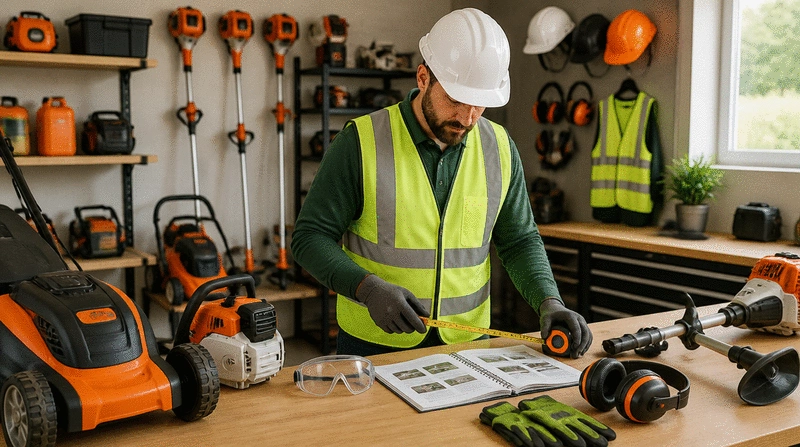
What if the very tools you rely on every day in landscaping are not up to safety standards? The implications could be dire, from accidents to legal issues. Understanding equipment standards is not just a necessity; it's a priority for ensuring safety and compliance in your landscaping projects.
What You Will Learn
- The significance of verifying equipment standards to prevent accidents and ensure safety.
- Key organizations like OSHA, ANSI, and OPEI that set and enforce compliance standards in landscaping.
- Essential steps for verifying equipment safety, including inspections and testing protocols.
- The importance of maintaining detailed documentation for inspections and maintenance to support compliance and quality assurance.
- How to implement a Corrective Action Plan for addressing compliance issues effectively.
- Strategies for staying updated on evolving industry standards and fostering a culture of safety within landscaping teams.
Essential Steps for Equipment Safety Verification
Outlined below are the critical steps to ensure equipment safety verification in landscaping projects. For more insights on ensuring quality work, consider hiring landscaping professionals safely.
Establish a Verification Framework
Set criteria for equipment evaluation aligned with established compliance standards.
Source Relevant Standards
Identify guidelines such as ANSI A300 for tree care and equipment compliance.
Review Equipment Labels and Manuals
Ensure compliance through careful examination of equipment documentation.
Conduct Visual Inspections
Inspect for wear and damage to maintain safety standards.
Perform Testing Before Use
Conduct operational tests to ensure all equipment functions properly.
Understanding Equipment Standards in Landscaping
When it comes to landscaping, understanding equipment standards is crucial for both safety and compliance. It ensures that the tools used are not only efficient but also safe for everyone involved. Imagine a scenario where a malfunctioning piece of equipment leads to an accident; this is a risk no homeowner or landscaping professional should take. This is why verifying equipment standards should be a top priority!
Proper equipment standards help prevent accidents and ensure that landscaping projects are completed safely and effectively. When you work with a professional, it's essential to know that they adhere to these standards. This safeguards your property and promotes a culture of safety within the industry, ultimately benefiting everyone.
Importance of Verifying Equipment Standards
Verifying equipment standards is not just a formality; it's a matter of safety and compliance. Compliance with these standards helps to create a safe working environment, which is vital in landscaping where machinery is often used. Without proper verification, the likelihood of accidents increases, and legal repercussions may follow.
Moreover, reliable professionals will be proud to share their compliance practices with you. They know that adhering to these standards fosters trust with clients, showcasing their commitment to safe and quality work. So, the next time you hire a landscaping service, don't hesitate to ask about their equipment standards! To learn more about how to assess credibility, read our guide on assessing landscaping review credibility.
Overview of Compliance Standards in Landscaping
In landscaping, several key organizations help set and enforce compliance standards. Notable among them are OSHA (Occupational Safety and Health Administration), ANSI (American National Standards Institute), and OPEI (Outdoor Power Equipment Institute). Each of these organizations plays a vital role in ensuring that equipment used in landscaping meets safety requirements.
For instance, OSHA sets regulations that protect workers from hazards, while ANSI provides standards for equipment safety and performance. OPEI focuses specifically on the safe operation of outdoor power equipment. These organizations collectively contribute to a safer landscaping industry, ensuring that professionals use equipment that meets stringent safety guidelines.
Key Compliance Entities in Landscaping
Several key entities further shape the landscape of equipment standards. One such organization is ASTM International, which develops and publishes voluntary consensus technical standards for materials and products. Another essential entity is the EPA (Environmental Protection Agency), which regulates equipment to ensure environmental safety.
The International Society of Arboriculture (ISA) is also critical, as it focuses on tree care and safety practices within the industry. All these organizations work together to create a robust framework, promoting safety and compliance in landscaping practices. By understanding these entities, you can better appreciate the importance of equipment standards in your landscaping projects.
Essential Steps for Equipment Safety Verification
Verifying equipment safety is a straightforward process, but it requires careful attention to detail. Here’s a quick outline of steps you can take:
- Establish a verification framework.
- Source relevant standards.
- Review equipment labels and manuals.
- Conduct visual inspections of equipment.
- Perform testing before use.
Following these steps ensures that the equipment used in your landscaping projects meets the necessary safety requirements. At BranchProof, we believe in empowering homeowners with the knowledge to make informed decisions about the services they engage. The first step is understanding these essential practices!
Establishing a Verification Framework
The first step to verifying equipment standards is to establish a clear verification framework. This includes setting up criteria for equipment evaluation, which should align with established compliance standards. By doing so, you create a structured approach that helps ensure safety and efficiency.
Consider developing a checklist based on the compliance standards relevant to your specific landscaping needs. This checklist can guide you through the verification process, helping you stay organized and focused on what matters!
Source Standards
When sourcing standards, it's essential to know where to find the relevant guidelines. For example, the ANSI A300 Standards are widely recognized in the industry for tree care and landscaping practices. Additionally, ISO guidelines may also offer comprehensive insights into equipment compliance.
Review Equipment Labels and Manuals
Next, you should review the labels and manuals associated with the equipment. These documents often contain crucial information regarding compliance with safety standards. Take the time to evaluate them carefully, as they can provide insights into the manufacturer’s commitment to safety.
Conduct Visual Inspections of Equipment
Visual inspections are vital for ensuring mechanical integrity. Look for any signs of wear and tear, corrosion, or damage. It's essential to follow Equipment Inspection protocols to maintain high safety standards.
Perform Testing Before Use
Finally, conducting operational tests on the equipment before its use is crucial. These tests should be carried out safely and according to Equipment Testing procedures. This practice helps ensure that everything is functioning correctly and reduces the risk of accidents during landscaping projects. For more information on maintaining a safe workspace, see our article on essential safety gear for landscaping.
Quick Summary
Here's a brief recap of the key points discussed so far:
- Importance of Equipment Standards: Ensuring safety and compliance is crucial in landscaping to prevent accidents and promote trust.
- Key Compliance Entities: Organizations like OSHA, ANSI, and OPEI play vital roles in establishing and enforcing safety standards.
- Steps for Equipment Safety Verification: Establishing a verification framework and conducting thorough inspections are essential for maintaining safety.
Frequently Asked Questions (FAQs)
Why is verifying equipment standards important in landscaping?
Verifying equipment standards is crucial for preventing accidents, ensuring the safety of workers and property, and maintaining compliance with legal regulations. It also builds trust with clients by demonstrating a commitment to safe and quality work.
Which organizations set compliance standards for landscaping equipment?
Key organizations include OSHA (Occupational Safety and Health Administration), ANSI (American National Standards Institute), OPEI (Outdoor Power Equipment Institute), ASTM International, and the EPA (Environmental Protection Agency). The International Society of Arboriculture (ISA) also focuses on tree care safety.
What are the essential steps for equipment safety verification?
The essential steps include establishing a verification framework with clear criteria, sourcing relevant industry standards (like ANSI A300), reviewing equipment labels and manuals, conducting thorough visual inspections, and performing operational tests before each use.
How does documentation contribute to equipment compliance?
Detailed documentation of inspections, maintenance activities, and repairs serves as a solid foundation for tracking mechanical integrity and proving compliance with established standards. It is vital for both safety and legal reasons, and it aids in audits and quality assurance.
What is a Corrective Action Plan (CAP) and why is it important?
A Corrective Action Plan (CAP) outlines specific steps to address issues found during inspections and ensure regulatory compliance. It's important not only for fixing immediate problems but also for investigating root causes, enhancing safety protocols, and building a more robust compliance framework for the future.
Ensuring Compliance with Documentation and Audit Procedures
When it comes to landscaping equipment, proper documentation is crucial. Not only does it help maintain safety and compliance, but it also contributes to overall quality assurance. I can’t stress enough how keeping a detailed record of inspections and maintenance activities can save you from potential headaches down the road!
Documentation serves as a solid foundation for tracking the mechanical integrity of your equipment. This includes logging regular inspections, maintenance work, and any repairs that may have been conducted. By doing this, you ensure that everything is in compliance with established standards, which can be vital for both safety and legal reasons.
- Inspection dates
- Maintenance performed
- Parts replaced
- Operator details
Such detailed records not only assist in audits but also provide peace of mind that you’re operating within compliance regulations. Always remember, staying organized can make a significant difference in your landscaping business!
Documenting Inspections and Maintenance
Creating a system for documenting inspections and maintenance can help you maintain compliance over time. Consider using a digital platform to store this information, which can be easily updated and accessed. You’ll find that this not only reduces paperwork but also enhances your ability to track and analyze data efficiently.
Here are some key elements to include in your documentation:
- Date of each inspection
- Type of inspection (routine, annual, etc.)
- Equipment involved
- Findings from the inspection
- Actions taken post-inspection
This structured approach not only aids in compliance but also helps in maintaining high-quality standards across your landscaping operations. Just imagine how much easier it will be when everything is documented properly!
Implementing a Corrective Action Plan
When inspections reveal issues, it’s crucial to implement a Corrective Action Plan (CAP). This plan should outline specific steps to address any findings and ensure compliance with regulations. It’s not just about fixing what’s broken; it’s also about enhancing your safety protocols moving forward!
Here’s how to create an effective CAP:
- Identify the issue.
- Investigate the root cause.
- Determine necessary corrective actions.
- Assign responsibilities for implementation.
- Set a timeline for completion.
- Monitor and review the effectiveness of actions taken.
By following this process, you’re not only addressing the immediate problems but also building a more robust compliance framework for the future. As part of BranchProof’s commitment to empowering homeowners and professionals alike, I encourage you to prioritize this step! For additional guidance on ensuring safety, consider reading about verifying home improvement safety practices.
Final Thoughts on Landscaping Equipment Standards
Staying Updated with Evolving Standards
The landscaping industry is constantly evolving, and so are the safety and compliance standards that govern it. It’s essential to stay informed about the latest changes in Machinery Regulations and Landscape Safety Standards. Regularly check reputable sources and subscribe to industry newsletters to keep your knowledge fresh.
Additionally, consider attending workshops or webinars focused on industry standards. These can be invaluable in ensuring that you remain compliant and knowledgeable about best practices. As an advocate for homeowners, I believe staying educated is key to making smart, informed choices.
Encouraging a Culture of Safety in Landscaping
Creating a culture of safety within your landscaping business goes beyond regulations; it’s about instilling the value of safety in every team member. Encourage open conversations about safety practices and compliance, and make it a regular topic during team meetings. When everyone understands the importance of these practices, it enhances the overall safety of your operations!
To summarize, prioritizing safety and compliance in landscaping isn’t just about ticking boxes. It’s about creating a safe working environment for everyone involved. As you strive for quality in your work, remember that adhering to Industry Best Practices is essential for long-term success. Together, we can foster a safer, more reliable landscaping industry!
Recap of Key Points
Here is a quick recap of the important points discussed in the article:
- Understanding Equipment Standards: Essential for safety and compliance in landscaping projects.
- Importance of Verification: Verifying equipment standards helps prevent accidents and fosters trust between professionals and clients.
- Key Compliance Organizations: OSHA, ANSI, OPEI, ASTM International, and EPA play significant roles in enforcing safety standards.
- Steps for Safety Verification: Establish a framework, source standards, review manuals, conduct inspections, and perform tests before use.
- Documentation Matters: Keeping detailed records of inspections and maintenance aids in compliance and quality assurance.
- Implementing Corrective Actions: Addressing issues with a corrective action plan ensures ongoing compliance and safety improvements.
- Staying Informed: Regularly update yourself on evolving safety standards and encourage a culture of safety within your team.

Clara Montgomery
As a passionate advocate for homeowners navigating the complexities of tree care and home improvement, I am dedicated to providing reliable insights that empower you to make informed decisions. At BranchProof, we believe that with the right knowledge, you can confidently select trustworthy professionals to enhance your living space while ensuring quality and safety.
Popular Posts
Essential DIY Tree Care Safety
![Essential DIY Tree Care Safety]() Did you know that improperly managed tree care can lead to severe accidents and costly damage? Prior
Did you know that improperly managed tree care can lead to severe accidents and costly damage? Prior
 Did you know that improperly managed tree care can lead to severe accidents and costly damage? Prior
Finding Trustworthy Landscaper Reviews
![Finding Trustworthy Landscaper Reviews]() In the quest for the perfect outdoor transformation, the right landscaping professional can make all
In the quest for the perfect outdoor transformation, the right landscaping professional can make all
 In the quest for the perfect outdoor transformation, the right landscaping professional can make all
Verify Safety Certifications to Avoid Scams
![Verify Safety Certifications to Avoid Scams]() Safety certifications are not just bureaucratic red tape; they are essential in safeguarding your ho
Safety certifications are not just bureaucratic red tape; they are essential in safeguarding your ho
 Safety certifications are not just bureaucratic red tape; they are essential in safeguarding your ho
Tips for Caring for Landscaping
![Tips for Caring for Landscaping]() Have you ever marveled at a home with a stunning garden and wondered what secrets lay behind its bea
Have you ever marveled at a home with a stunning garden and wondered what secrets lay behind its bea
 Have you ever marveled at a home with a stunning garden and wondered what secrets lay behind its bea
