Verify Safety Certifications to Avoid Scams

Verify Safety Certifications to Avoid Scams

Safety certifications are not just bureaucratic red tape; they are essential in safeguarding your home and ensuring quality workmanship. Are you aware of the true value they bring to your home improvement projects? This article dives deep into the significance of safety certifications, the dangers of fake credentials, and a step-by-step guide on verifying genuine certifications to protect yourself from fraud.

What You Will Learn

  • Understanding that safety certifications indicate a professional's adherence to industry standards and training.
  • Recognizing the risks of hiring unqualified individuals, including subpar workmanship and increased liability.
  • Identifying key organizations responsible for safety certifications, such as ISO, UL, and ANSI.
  • Learning a structured approach to verify the authenticity of safety certifications, including sourcing information and conducting visual inspections.
  • Understanding the significance of security features in certifications and how to spot counterfeit credentials.
  • Taking action against fraudulent certifications by knowing how to report and what legal options are available to protect yourself.

Impact of Safety Certifications on Fraud Prevention

The significance of safety certifications is crucial in differentiating between qualified professionals and potential frauds in tree care and home improvement. Below is a visual representation highlighting the key points regarding genuine versus fake certifications and their implications. For additional tips on ensuring you hire reputable services, consider choosing the right tree care service.

Genuine Certifications

  • Assurance of Quality: Trained professionals ensuring high standards.
  • Risk Reduction: Minimizes accidents and enhances safety.
  • Consumer Protection: Confidence in hiring qualified experts.

Fake Certifications

  • Subpar Workmanship: Increased costs due to poor quality.
  • Increased Liability: Risks of being held responsible in accidents.
  • Consumer Trust Erosion: Loss of faith in legitimate professionals.

Verification Process

  • Source Information: Find official registries and issuers.
  • Legitimacy Check: Recognize trust seals and authorized providers.
  • Visual Inspection: Look for security cues on certifications.

Reporting Frauds

  • Gather Evidence: Document images and information.
  • Contact Authorities: Notify local consumer protection agencies.
  • Legal Recourse: Understand your rights and seek advice.

Understanding the Importance of Safety Certifications in Fraud Prevention

When it comes to hiring professionals for tree care or home improvement tasks, safety certifications play a crucial role. These certifications not only ensure that workers are trained and qualified, but they also serve as a protective barrier against fraud. As someone who has navigated these waters extensively through my work with BranchProof, I can’t emphasize enough how vital it is to choose certified professionals. This knowledge empowers homeowners to make informed decisions, enhancing the overall safety of their home improvement projects!

So, what are these safety certifications, and why do they matter? In simple terms, safety certifications are official validations provided by recognized organizations, confirming that a service provider meets specific safety standards. These certifications can help you differentiate between trustworthy professionals and those who may not have the necessary qualifications. By understanding their significance, you’re better equipped to avoid potential scams and ensure that your home improvements are in capable hands.

What Are Safety Certifications and Why They Matter?

Safety certifications act as a signal that a professional has undergone appropriate training and adheres to industry standards. They can cover various aspects like equipment handling, safety protocols, and best practices in tree care and home improvement. Let’s take a look at some crucial reasons why these certifications matter:

  • Assurance of Quality: Certified professionals have demonstrated their knowledge and skills through rigorous training.
  • Risk Reduction: Safety certifications help minimize the risk of accidents on your property.
  • Consumer Protection: These certifications offer peace of mind, knowing that you are engaging with qualified experts.

Without these certifications, you could be putting your home and family at risk. It's essential to take the time to verify that the professionals you choose are certified, ensuring they have the right qualifications and adhere to safety practices. This is also key when looking into verifying home improvement safety practices generally.

Recognizing the Impact of Fake Certifications on Consumers

Fake certifications can be incredibly deceptive, leading homeowners to trust unqualified individuals. Imagine hiring someone who claims to have all the right credentials, only to find out later that their certifications were completely phony! This scenario can lead to not just financial losses but also safety hazards. It’s crucial to remain vigilant and aware of the risks associated with fraudulent certifications.

Here are some effects of fake certifications that homeowners must be aware of:

  • Subpar Workmanship: Unqualified professionals may produce low-quality work that can cost you more in the long run.
  • Increased Liability: If an accident happens, you might be held responsible if the hired professional lacks proper certifications.
  • Consumer Trust Erosion: Scams can diminish trust in legitimate professionals, making it harder for consumers to find qualified help.

At BranchProof, we believe that knowledge is power. By staying informed about the risks of fake certifications, you can protect yourself and your home, ensuring you make choices that enhance safety and quality.

Key Safety Certification Organizations and Their Roles

Understanding which organizations provide safety certifications is essential. These groups set the standards and requirements that professionals must meet to earn their certifications. Here’s an overview of some key organizations:

  • ISO (International Organization for Standardization): Develops international standards for various industries, including safety practices.
  • Underwriters Laboratories (UL): Tests and certifies products for safety, especially in electrical and fire safety.
  • American National Standards Institute (ANSI): Oversees the development of voluntary consensus standards for products, services, and personnel.

These organizations play a fundamental role in maintaining high safety standards across various industries. By understanding them, you can better appreciate the verification process and the importance of choosing professionals who adhere to these standards.

Overview of ISO (International Organization for Standardization)

The ISO is a well-respected organization that establishes quality and safety standards globally. Their certifications can cover everything from environmental management to occupational safety. When you see an ISO certification, it’s a sign that the business adheres to internationally recognized standards, which can significantly enhance your confidence in their services.

Role of Underwriters Laboratories (UL) in Safety Certification

UL is renowned for its commitment to safety and quality assurance in products and services. By testing and certifying various items, UL helps ensure that the tools and equipment used in tree care and home improvement are safe for use. Trusting a professional who bears the UL mark is a step toward safeguarding your home!

Importance of the American National Standards Institute (ANSI)

ANSI plays a critical role in the safety certification landscape by developing standards through a consensus process. Their focus on promoting and facilitating voluntary standards helps ensure quality and safety across the industry. When you hire someone with ANSI certification, you can rest assured they possess the required knowledge and skills to perform their job safely.

Step-by-Step Verification Framework for Authentic Safety Certifications

When it comes to ensuring safety certifications are genuine, homeowners must take a proactive approach. At BranchProof, we understand the importance of verifying these certifications to not only protect your property but also your peace of mind. Here’s a simple step-by-step framework to help you navigate this process effectively.

Each step is designed to guide you through the verification of safety certifications, ensuring that you can confidently engage with legitimate professionals. Let's break this down into manageable steps! This framework is also highly relevant when verifying tree care service reviews to ensure comprehensive due diligence.

1. Sourcing Information: Finding Official Registries and Issuers

The first step in verifying safety certifications is to gather accurate information about the issuing organizations. Knowing where to look can make all the difference. Start by utilizing official certificate portals that house registries of legitimate certifications.

Utilizing Official Certificate Portals and Accreditations

Many organizations maintain online databases that list accredited professionals and their certifications. Here are some tips:

  • Visit official websites of certification bodies.
  • Check for a section labeled “Certified Professionals” or “Accredited Members.”
  • Look for any downloadable resources that list certified entities.

Contacting the Issuing Organization Directly for Confirmation

If you're unsure about a certification, don’t hesitate to reach out to the issuing organization directly. This can provide peace of mind. Just follow these steps:

  • Find contact information on their official website.
  • Prepare specific details about the certification you’re verifying.
  • Ask them to confirm the authenticity of the certification with a reference number.

2. Verifying the Legitimacy of Certifications

Now that you’ve sourced the necessary information, it’s time to dive deeper into the verification process. This step is crucial in ensuring that the certifications you encounter are not only legitimate but also recognized in the industry.

Recognizing Trust Seals and Their Validity

Look for trust seals that indicate adherence to safety standards. These seals can be a powerful indication of reliability. Here are some seals to be aware of:

  • ANSI (American National Standards Institute) seals
  • ISO (International Organization for Standardization) logos
  • UL (Underwriters Laboratories) marks

Identifying Authorized Providers and Notified Bodies

It’s essential to know who is authorized to issue certifications. Research authorized providers and notified bodies for the specific certification type relevant to your needs.

  • Cross-check the provider’s legitimacy with official databases.
  • Look for endorsements or partnerships with recognized organizations.
  • Verify their history and reputation in the industry.

The Role of Better Business Bureau (BBB) in Certification Verification

Lastly, don’t overlook the Better Business Bureau (BBB) as a resource. They provide valuable information on businesses, including their ratings and any complaints. This can be a helpful step in the verification process!

3. Visual Inspection: Key Features to Look For

Visual inspection of the certificate itself is a crucial step in recognizing authenticity. There are important features you should be aware of.

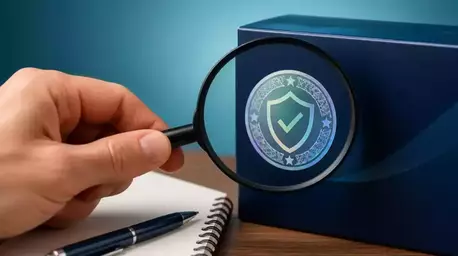
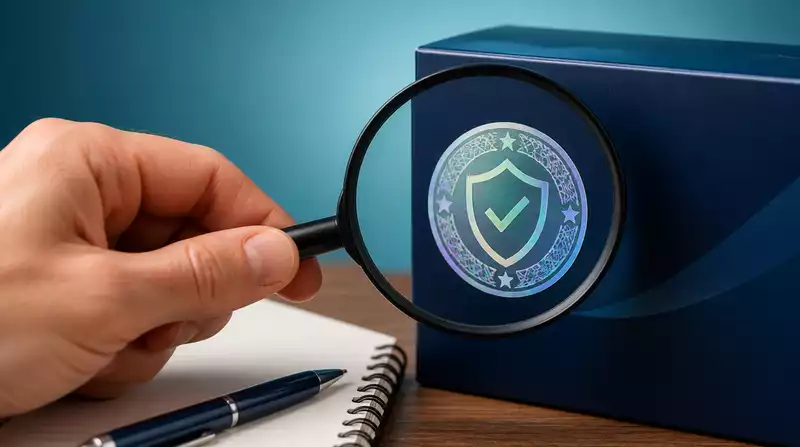
Understanding Security Cues: Holograms, Watermarks, and Micro-text

Authentic certificates often include security features that are hard to replicate. Here’s what to look for:

  • Holograms that change appearance when viewed from different angles.
  • Watermarks embedded in the paper or background.
  • Micro-text that is difficult to reproduce.

How to Spot Fake Logos and Common Design Flaws

Be vigilant when examining logos on certificates. Fake certifications often have design flaws. Here are some red flags to watch:

  • Poor quality printing or fading.
  • Misspellings or incorrect logos.
  • Inconsistent font styles or sizes.

4. Conducting a Comprehensive Online Search

In our technology-driven world, online searches can quickly reveal valuable information. Make use of the internet to double-check certifications.

Using QR Codes for Quick Verification of Safety Certifications

Some certifications come with QR codes. Scanning these can lead you to the issuing organization’s verification page.

  • Ensure your smartphone camera or QR scanner app is functional.
  • Follow the link provided to verify the certification.
  • Check for any additional information about the certification online.

Exploring Trainer Lists and Certificate Validity Online

Look for lists of recognized trainers or service providers. Many organizations publish these resources online. Follow these steps:

  • Search for “authorized trainers” related to the certification.
  • Review any lists provided by the certifying body.
  • Use these lists to cross-reference the professional you’re considering.

Utilizing Consumer Protection Resources like the CFPB and FTC

Don’t forget about consumer protection agencies! The Consumer Financial Protection Bureau (CFPB) and the Federal Trade Commission (FTC) can offer guidance and important information.

Frequently Asked Questions About Safety Certifications

What are safety certifications and why are they important?
Safety certifications are official validations from recognized organizations that confirm a professional or service provider meets specific safety standards. They are crucial for ensuring quality workmanship, reducing risks of accidents, and protecting consumers from unqualified individuals or fraud.
What are the risks associated with fake certifications?
Fake certifications can lead to subpar workmanship, increased liability for homeowners in case of accidents, and an erosion of trust in legitimate professionals. They can result in financial losses and safety hazards.
Which organizations provide key safety certifications?
Key organizations include ISO (International Organization for Standardization), which develops global quality and safety standards; Underwriters Laboratories (UL), which tests and certifies products for safety; and the American National Standards Institute (ANSI), which oversees voluntary consensus standards for various industries.
How can I verify the authenticity of a safety certification?
You can verify certifications by: 1) Sourcing information from official certificate portals or contacting the issuing organization directly. 2) Looking for trust seals (like ANSI, ISO, UL) and identifying authorized providers. 3) Conducting a visual inspection for security features such as holograms, watermarks, and micro-text, and checking for design flaws. 4) Using online searches, including QR codes and trainer lists.
What should I do if I encounter a fraudulent certification?
If you suspect a certification is fraudulent, you should gather evidence (images, information), contact local consumer protection agencies, report it to organizations like the Better Business Bureau, and understand your legal recourse options. Engaging with platforms like the Internet Crime Complaint Center (IC3) for cyber-related fraud is also recommended.

5. Reporting and Taking Action Against Fraudulent Certifications

Finally, if you identify a fake certification, it’s crucial to take action. Reporting fraudulent activities protects not only yourself but also other consumers. Understanding how to protect yourself from landscaping scams is part of this.

Steps to Report Fake Certifications to Authorities

If you suspect a certification is fraudulent, follow these steps to report it:

  • Gather evidence, including images of the certification.
  • Contact local consumer protection agencies.
  • Report to the Better Business Bureau or equivalent organizations.

Understanding Legal Recourse and Consumer Protection Options

Know your rights as a consumer when dealing with fraud. Familiarize yourself with local laws that protect you against scams.

  • Research your options for filing complaints.
  • Consider seeking legal advice if necessary.
  • Keep records of all communications regarding the issue.

Engaging with Platforms like Internet Crime Complaint Center (IC3)

Platforms like the Internet Crime Complaint Center (IC3) can help in reporting cyber-related fraud. Engaging with such platforms is a proactive step in combating fraudulent certifications!

Recap of Key Points

Here is a quick recap of the important points discussed in the article:

  • Importance of Safety Certifications: They ensure professionals are trained and qualified, reducing the risk of fraud and enhancing safety.
  • Risks of Fake Certifications: Fake credentials can lead to subpar workmanship, increased liability, and erosion of consumer trust.
  • Key Certification Organizations: Familiarize yourself with ISO, UL, and ANSI, which set industry standards for safety certifications.
  • Verification Steps: Use official registries, contact issuing organizations, and look for trust seals to verify certifications.
  • Visual Inspection: Check for security features like holograms and watermarks to identify authentic certificates.
  • Online Resources: Utilize QR codes, trainer lists, and consumer protection agencies to validate certifications.
  • Reporting Fraud: If you encounter fake certifications, take action by reporting to authorities and understanding your legal options.
About !author

Clara Montgomery

As a passionate advocate for homeowners navigating the complexities of tree care and home improvement, I am dedicated to providing reliable insights that empower you to make informed decisions. At BranchProof, we believe that with the right knowledge, you can confidently select trustworthy professionals to enhance your living space while ensuring quality and safety.

Popular Posts

Essential DIY Tree Care Safety Essential DIY Tree Care Safety Did you know that improperly managed tree care can lead to severe accidents and costly damage? Prior
Finding Trustworthy Landscaper Reviews Finding Trustworthy Landscaper Reviews In the quest for the perfect outdoor transformation, the right landscaping professional can make all
Verify Safety Certifications to Avoid Scams Verify Safety Certifications to Avoid Scams Safety certifications are not just bureaucratic red tape; they are essential in safeguarding your ho
Tips for Caring for Landscaping Tips for Caring for Landscaping Have you ever marveled at a home with a stunning garden and wondered what secrets lay behind its bea