1. Conduct a Thorough Perimeter Walkthrough
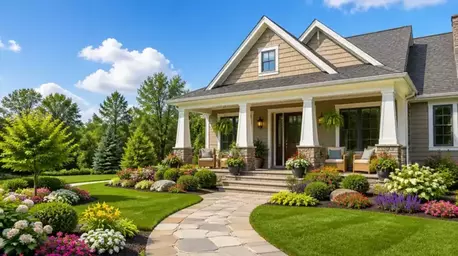
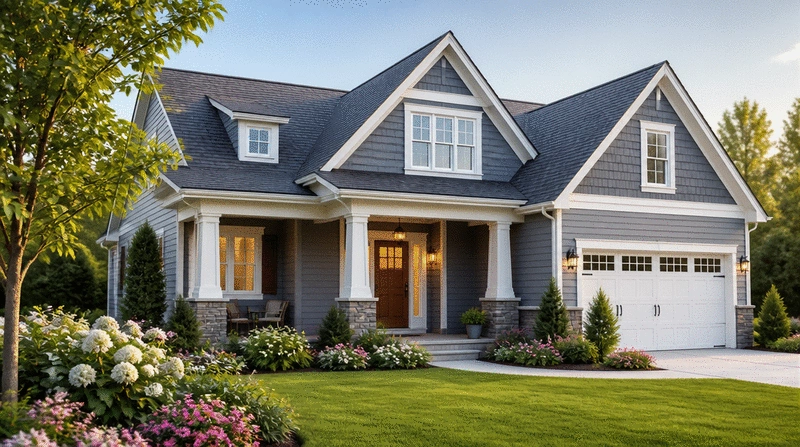
Inspect the property to identify visible signs of quality workmanship in areas like siding and trim.
When making improvements to your home, the quality of work can significantly influence not only the aesthetics but also the long-term value of your property. Investing in quality ensures that your home remains a source of pride and comfort for years to come.
Here are the fundamental steps homeowners should follow to assess the quality of exterior home improvements, ensuring both aesthetics and durability. For a deeper dive into assessing professional services, consider verifying tree care service reviews to ensure you're working with reputable contractors.
Inspect the property to identify visible signs of quality workmanship in areas like siding and trim.
Ensure materials are high-quality and suitable for your climate to prevent future issues.
Look for evidence of skilled labor; straight edges and even paint applications are key indicators.
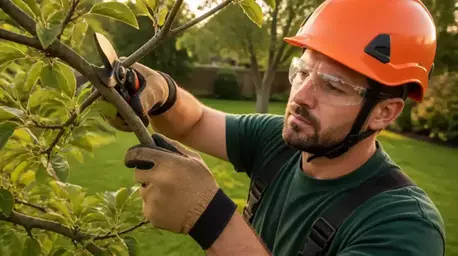
Verify that safety measures are in place, particularly for larger projects, to ensure protection during work.
Rate the workmanship and materials used to track the quality of various aspects of the project.
When it comes to enhancing the look and feel of your home, the quality of work you choose can make a significant difference. A well-executed exterior home improvement project not only boosts your home’s curb appeal but also its overall value. Imagine walking into your home and feeling proud of its exterior. That sense of satisfaction often comes from knowing that you’ve invested in quality work that stands the test of time.
Moreover, high-quality improvements can protect your home from the elements, preventing costly repairs down the line. It’s essential to understand that the impact of quality work goes beyond aesthetics—it's about creating a safe and inviting space for you and your family. That’s why at BranchProof, we emphasize the importance of evaluating the quality of exterior home improvements before making any commitments. Ensuring safe exterior home improvement tips are followed is crucial for protecting both your property and those working on it.
Quality workmanship can significantly influence how your home is perceived, both by you and potential buyers. An attractive exterior can capture attention and lead to higher offers when it’s time to sell. Here are a few key aspects to consider:
In my experience, homeowners who prioritize quality often find their investment pays off significantly when it comes time to sell. A home that looks good also feels good, and that's something every homeowner should strive for!
So, how do you gauge the quality of work for your exterior projects? There are several factors you should assess before hiring a contractor or diving into DIY. Here’s a list of critical elements to consider:
By focusing on these key factors, you can eliminate the guesswork and make informed decisions that will lead to successful home improvements. At BranchProof, we want to empower homeowners like you with the tools to ensure that your exterior work meets the highest standards, keeping your home safe and beautiful!
Here's a brief recap of the key points discussed so far:
A1: Evaluating exterior home improvement quality is crucial because it directly impacts your home's curb appeal, resale value, and long-term durability. Quality work also protects your home from the elements and prevents costly repairs, creating a safer and more inviting living space.
A2: The essential steps include conducting a thorough perimeter walkthrough to check for quality workmanship, evaluating the materials used for suitability and durability, assessing the workmanship for skilled labor (e.g., straight edges, even paint), confirming safety standards, and creating a quality scorecard to track different aspects of the project.
A3: Quality workmanship significantly enhances aesthetic appeal, making your home more welcoming and attractive. It also increases resale value, as well-maintained homes tend to sell faster and for higher prices. Furthermore, quality materials and craftsmanship ensure durability, which saves money on maintenance and repairs over time.
A4: Key factors include the quality and suitability of materials for your climate, the evidence of skilled workmanship (e.g., precise application, straight lines), and the adherence to safety standards, especially for larger projects. Focusing on these elements helps ensure successful and lasting improvements.
A5: Current trends in sustainable home improvement include incorporating eco-friendly materials like reclaimed wood and recycled products, utilizing energy-efficient windows and doors to reduce energy consumption, and adopting landscaping practices that promote biodiversity and water conservation. These trends enhance value and benefit the environment.
In our journey through evaluating exterior home improvement quality, we’ve uncovered some vital steps and techniques. Each aspect plays a significant role in ensuring that your home not only looks good but also retains its value over time. At BranchProof, I emphasize that understanding these processes helps you make informed decisions and confidently engage with professionals.
To recap, here are the essential evaluation steps we've discussed:
These insights are not just checkboxes; they are the foundation of a successful home improvement project. By focusing on quality, you can ensure that your investments pay off in both aesthetic appeal and long-term value.
As we wrap up, let's revisit some of the key techniques for assessing your exterior home improvements. Each step is designed to help you spot potential issues before they become costly repairs. This proactive approach not only protects your investment but also enhances the overall quality of your living space.
By integrating these steps into your evaluation process, you’ll foster a safer and more attractive home environment. Remember, each of these techniques can save you time and money down the line!
Now that we’ve explored the fundamentals of evaluating home improvement quality, I invite you to engage actively in this process. Sharing your experiences and asking questions can deepen your understanding and enhance your knowledge. At BranchProof, we believe that every homeowner should feel empowered to make informed choices. For more on choosing reliable services, read about choosing the right tree care service.
Your stories can inspire others facing similar challenges. Have you come across any particular tips that worked for you? What issues did you encounter during your home improvements? Feel free to share your insights—they could make a world of difference for someone else!
Engagement is key to building a community around quality assurance in home improvement. When you share your experiences, you not only validate the insights we've discussed but also contribute to a valuable knowledge base for other homeowners. I encourage you to post your questions or concerns in the comments section below. Let’s learn from each other!
To stimulate discussion, consider these prompts:
Your input is invaluable! Together, we can create a supportive environment that fosters trust and transparency in home improvement.
At BranchProof, we are committed to equipping you with the right tools and resources. Here are some recommended resources to further your understanding:
These resources can be instrumental as you navigate the sometimes complex world of home improvements. Remember, knowledge is power! The more informed you are, the better decisions you’ll make.
Finally, let’s not overlook the importance of staying updated on industry trends. As homeowners, it’s crucial to be aware of sustainable practices in home improvement. Trends such as eco-friendly materials and energy-efficient installations are becoming increasingly popular, and for good reason! When planning any exterior project, ensuring you also understand hiring landscaping professionals safely is a vital step for a successful outcome.
Consider these trends:
By embracing these trends, you not only enhance your home’s value but also contribute to a healthier environment. Together, we can make choices that benefit both our homes and the planet!
Here is a quick recap of the important points discussed in the article:
As a passionate advocate for homeowners navigating the complexities of tree care and home improvement, I am dedicated to providing reliable insights that empower you to make informed decisions. At BranchProof, we believe that with the right knowledge, you can confidently select trustworthy professionals to enhance your living space while ensuring quality and safety.