Identifying Poor Tree Care Workmanship

Are you aware that poor workmanship in tree care can lead to significant long-term damage to your landscape? Understanding how to recognize the warning signs can save you time, money, and heartache. This article offers essential insights to empower homeowners in making informed decisions when hiring tree care services.
What You Will Learn
- The importance of verifying credentials before hiring tree care professionals to avoid costly mistakes.
- Key red flags indicating poor workmanship, such as door-to-door solicitation and lack of insurance.
- Recognizing detrimental pruning techniques, like topping and lion-tailing, that can harm tree health.
- The significance of professional crew behavior and job site cleanup as indicators of service quality.
- Practical steps to take when vetting tree care services, including asking questions and trusting your instincts.
- When to seek professional guidance, particularly for complex issues like pest infestations or tree diseases.
Key Indicators of Poor Workmanship in Tree Care Services
Recognizing the warning signs of poor workmanship can save homeowners from potential pitfalls and costly repairs. Below are the main indicators extracted from the article:
Door-to-Door Solicitation
Legitimate businesses rarely conduct unsolicited offers. Always verify credentials before agreeing to services.
Lack of Insurance & Certification
Always verify that the tree care professional has necessary certifications and insurance to safeguard your investment.
Poor Pruning Techniques
Techniques like topping and lion-tailing can severely harm tree health, indicating poor workmanship.
Unprofessional Crew Conduct
Signs of unprofessional behavior include lack of proper attire and poor communication, which reflect a lack of quality.
Recognizing the Warning Signs of Poor Workmanship in Tree Care and Landscaping
When it comes to tree care and landscaping, spotting the warning signs of poor workmanship is crucial. As homeowners, we want our outdoor spaces to thrive. However, if we aren't aware of what to look for, we might end up with professionals who don't deliver quality work. Understanding these signs can empower you to make informed choices when hiring tree care services, ultimately protecting your investment in your home and landscape.
Understanding Search Intent: Why Identifying Poor Workmanship Matters
Homeowners often search for signs of poor workmanship because they want to ensure they’re making the right decision when hiring tree care services. The primary intent is to avoid scams or subpar work that could lead to costly repairs down the line. On the other hand, secondary intents may include seeking reassurance about their current service provider or learning how to assess the quality of work being done. For more information on making informed decisions, consider choosing the right tree care service.
When we recognize the signs of poor workmanship, we not only safeguard our trees and landscapes but also enhance our understanding of what qualified professionals should offer. At BranchProof, we believe that with the right knowledge, homeowners can confidently select trustworthy professionals and ensure the safety and quality of their projects.
Common Red Flags in Tree Care Services
Door-to-Door Solicitation: The Risks Involved
Have you ever had someone knock on your door offering tree care services? While some legitimate businesses may conduct local outreach, unsolicited offers can be a major red flag. These door-to-door solicitors often lack proper credentials, which puts you at risk of hiring unqualified workers. It’s essential to conduct thorough vetting before agreeing to any services.
To protect yourself, consider these steps when approached by a soliciting tree care service:
- Ask for proof of insurance and certification.
- Check for online reviews or recommendations from trusted sources.
- Do not rush into decisions; take the time to research.
Lack of Proper Insurance and Certification: What to Look For
Working with an unlicensed or uninsured contractor can lead to significant issues if something goes wrong. Always verify that the tree care professional has necessary certifications, like being an ISA Certified Arborist. This credential indicates that they have undergone training and adhere to safety and industry standards. To learn more about this, read our guide on checking tree care insurance coverage.
Before hiring anyone, make sure to ask for documentation that confirms their insurance coverage. A professional tree care service should be willing and able to provide this information readily, which reflects their commitment to quality and safety.
Identifying Poor Pruning Techniques and Tree Care Practices
Warning Signs of Bad Pruning: Topping and Lion-Tailing
Understanding proper pruning techniques is essential for maintaining healthy trees. Beware of methods like topping and lion-tailing. Topping involves cutting off the top of a tree, which can lead to weak growth and increased vulnerability to pests. Lion-tailing, on the other hand, strips the interior of branches, leaving a tree looking unsightly and stressed. Both practices are detrimental to tree health and can lead to long-term damage.
Good tree care professionals will prioritize *proper pruning techniques* that promote healthy growth and aesthetics. If you see signs of these harmful practices, consider it a major red flag!
Understanding Poor Pruning Cuts: What to Avoid
Another key aspect of tree care involves the type of cuts made during pruning. Common mistakes include:
- Stub cuts: Leaving stubs can lead to decay and disease.
- Improper crown cleaning: This practice can remove too many healthy branches, weakening the tree.
As a homeowner, being aware of these poor pruning techniques can help you critically assess the work done by tree care providers. If you notice any of these issues, it's time to reevaluate your contractor.
Assessing Crew Behavior and Professionalism
Recognizing Unprofessional Crew Conduct
Professionalism in behavior and communication is a vital indicator of a reliable tree care service. Signs of an unprofessional crew may include lack of appropriate attire, poor communication, or failure to follow safety protocols. It's important to observe their interactions with each other and you, the homeowner. A professional service will prioritize safety and demonstrate respect for your property. For more on this, explore essential contractor safety protocols.
During a tree care project, feel free to ask questions. If the crew is evasive or dismissive, that should raise a flag. A reputable company will be happy to discuss their methods and answer your concerns!
Job Site Cleanup: Why It Matters
After the job is done, a proper cleanup reflects the quality of workmanship. An unkempt job site can indicate a lack of attention to detail. When professionals leave debris, branches, and equipment scattered around, it suggests they might not care about their work or your property.
When evaluating a tree care provider, always consider their cleanup practices as part of the overall service quality. A neat and organized job site is a sign of a committed and responsible professional.
Pro Tip
When hiring a tree care service, always ask for references from previous clients. A reputable company should readily provide you with contact information for past customers who can share their experiences. This additional layer of due diligence can help you further gauge the quality of their work and customer service.
Frequently Asked Questions About Tree Care Workmanship
What are the main red flags of poor workmanship in tree care?
Key red flags include door-to-door solicitation, lack of proper insurance and certification, poor pruning techniques (like topping and lion-tailing), unprofessional crew conduct, and inadequate job site cleanup.
Why is it important to verify insurance and certifications for tree care professionals?
Verifying insurance and certifications (such as ISA Certified Arborist) ensures the company is legitimate, trained, and adheres to safety standards. This protects you from liability if accidents occur and guarantees a certain level of expertise.
What are "topping" and "lion-tailing" and why should they be avoided?
Topping involves cutting off the top of a tree, leading to weak, unhealthy growth. Lion-tailing strips interior branches, stressing the tree and making it unsightly. Both are detrimental practices that can cause long-term damage and indicate poor workmanship.
How can I assess a tree care crew's professionalism?
Look for appropriate attire, clear communication, adherence to safety protocols, and respectful behavior. A professional crew will be happy to answer your questions and demonstrate care for your property.
When should I seek professional guidance for tree care issues?
It's advisable to seek expert help for complex issues like severe pest infestations, tree diseases (discoloration, wilting), major pruning needs, or structural concerns that pose a risk to property or people.
Concluding Thoughts on Selecting Quality Tree Care and Landscaping Services
As we wrap up our discussion, let's take a moment to reflect on the warning signs of poor workmanship in tree care and landscaping. It's clear that being aware of these indicators can save homeowners from headaches down the line. We touched on various issues, such as unprofessional crew behavior, improper pruning techniques, and the critical need for insurance verification. Recognizing these signs early on can lead to better decisions and ultimately healthier trees and landscapes.
In summary, remember these essential points: always verify credentials, ask the right questions, and keep an eye out for red flags during your search for tree care services. At BranchProof, we firmly believe that informed homeowners can prevent potential disasters by choosing qualified professionals.
Taking Action: Steps to Ensure Quality Tree Care Services
Now that you're equipped with knowledge about what to look for, it’s time to take action! Here are some practical steps you can follow to ensure you’re hiring the right tree care service:
- Utilize the Pre-Hire Checklist: Review the questions and criteria we discussed earlier to vet potential contractors.
- Engage in Conversations: Don’t hesitate to ask about their experience, methods, and safety practices during your initial meeting.
- Request Documentation: Always ask for proof of insurance and certifications to confirm their legitimacy.
- Trust Your Instincts: If something feels off during your interactions, trust your gut and continue your search.
Taking these steps can empower you to make informed choices that not only protect your property but also promote a healthy environment for your trees to thrive! You can also find valuable resources on verifying tree care service reviews to ensure you're making the best choice.
Engaging with Experts: When to Seek Professional Guidance
Lastly, there are times when consulting with a certified professional is essential, especially for complex tree care issues. If you notice signs of disease in your trees or if large trees need removal, it's best to involve an expert. Here are some situations when you should seek professional guidance:
- Severe Pest Infestations: If your trees show signs of pests that you can't identify or manage.
- Tree Diseases: Signs of disease such as discoloration, wilting, or unusual growth patterns.
- Major Pruning Needs: For trees that need significant trimming or shaping, a professional's touch is invaluable.
- Structural Concerns: For trees that pose a risk to property or people and may require removal.
At BranchProof, we prioritize the health and safety of your trees and property. Engaging with seasoned professionals can lead to better outcomes, ensuring your landscape flourishes for years to come!
Recap of Key Points
Here is a quick recap of the important points discussed in the article:
- Be aware of door-to-door solicitation as it may indicate unqualified professionals.
- Always verify insurance and certifications to avoid hiring unlicensed contractors.
- Recognize poor pruning techniques, such as topping and lion-tailing, which can harm tree health.
- Look for signs of professionalism in crew behavior and communication to gauge service quality.
- Evaluate job site cleanup practices to ensure attention to detail and commitment to quality work.
- Utilize a pre-hire checklist to vet potential contractors effectively.
- Trust your instincts; if something feels off, continue your search for the right provider.
- Seek professional guidance for complex issues such as severe pest infestations or tree diseases.

Clara Montgomery
As a passionate advocate for homeowners navigating the complexities of tree care and home improvement, I am dedicated to providing reliable insights that empower you to make informed decisions. At BranchProof, we believe that with the right knowledge, you can confidently select trustworthy professionals to enhance your living space while ensuring quality and safety.
Popular Posts
Essential DIY Tree Care Safety
![Essential DIY Tree Care Safety]() Did you know that improperly managed tree care can lead to severe accidents and costly damage? Prior
Did you know that improperly managed tree care can lead to severe accidents and costly damage? Prior
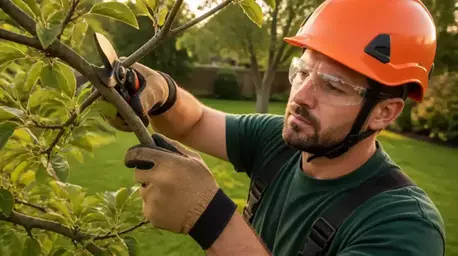 Did you know that improperly managed tree care can lead to severe accidents and costly damage? Prior
Finding Trustworthy Landscaper Reviews
![Finding Trustworthy Landscaper Reviews]() In the quest for the perfect outdoor transformation, the right landscaping professional can make all
In the quest for the perfect outdoor transformation, the right landscaping professional can make all
 In the quest for the perfect outdoor transformation, the right landscaping professional can make all
Verify Safety Certifications to Avoid Scams
![Verify Safety Certifications to Avoid Scams]() Safety certifications are not just bureaucratic red tape; they are essential in safeguarding your ho
Safety certifications are not just bureaucratic red tape; they are essential in safeguarding your ho
 Safety certifications are not just bureaucratic red tape; they are essential in safeguarding your ho
Tips for Caring for Landscaping
![Tips for Caring for Landscaping]() Have you ever marveled at a home with a stunning garden and wondered what secrets lay behind its bea
Have you ever marveled at a home with a stunning garden and wondered what secrets lay behind its bea
 Have you ever marveled at a home with a stunning garden and wondered what secrets lay behind its bea
