Fall Risks
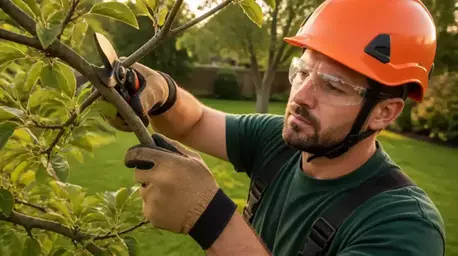
Working at heights poses a significant danger; proper equipment and training are essential.
Understanding the intricate landscape of tree care safety compliance is essential for any professional in the industry. With regulations, standards, and cultural practices all playing a significant role, it's vital to stay informed and proactive. As you embark on this journey, remember: compliance is not just about avoiding fines; it’s about fostering a safe and responsible working environment.
Tree care operations come with a range of hazards that professionals need to be aware of. The visual below highlights some of the most common risks involved in tree care. For a deeper dive into ensuring safety, explore our guide on safety standards in tree care.
Working at heights poses a significant danger; proper equipment and training are essential.
Proximity to power lines can lead to severe accidents; awareness and precautions are critical.
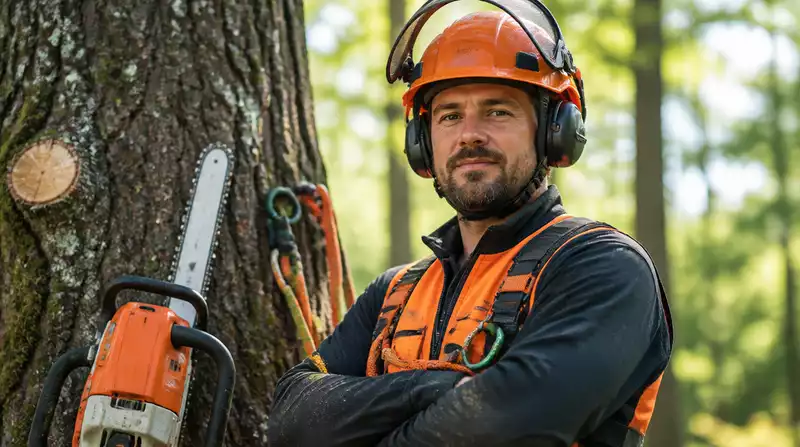
Chainsaws and chippers can be extremely dangerous if not handled correctly.
When it comes to tree care, safety compliance isn't just a checkbox—it's a critical aspect of protecting lives and property. As professionals in this field, we must adhere to local and national regulations that dictate how we operate safely. Non-compliance can lead to severe consequences, including hefty fines and, more importantly, injuries to ourselves or the public.
It's essential to recognize that safety compliance encompasses not just the rules we follow, but also the culture we foster within our teams. By prioritizing safety, we build trust with our clients and ensure that our work can be performed responsibly and effectively. This commitment to compliance is a central part of our mission at BranchProof, where we empower homeowners and professionals alike to engage in safe practices.
Tree care professionals must navigate a variety of regulations to ensure safety compliance. Here are a few vital authorities and their regulations:
Understanding these regulations is crucial for ensuring the safety of your team and the public. Compliance is not just about avoiding penalties; it's about establishing a work environment where everyone can thrive safely!
The ANSI Z133 Standard is a cornerstone of safety practices in the tree care industry. This standard outlines requirements for operations, including safety measures that must be implemented during tree trimming, removal, and maintenance tasks. By adhering to the ANSI Z133, tree care professionals can significantly reduce risks associated with their work.
Some key aspects of the ANSI Z133 Standard include:
Understanding and implementing the ANSI Z133 Standard not only enhances safety but also boosts credibility. Clients can trust that professionals are committed to their safety and well-being when they see that compliance is a priority. For more information on verifying service quality, consider verifying tree care service reviews.
Tree care operations come with a range of hazards that professionals need to be aware of. Here are some of the most common risks:
By actively identifying these hazards, tree care professionals can take steps to mitigate risks and improve safety on the job. It's about creating a culture of awareness that starts with each individual worker.
When it comes to tree maintenance and removal, identifying potential hazards is crucial. Here are some effective techniques to assess risks:
Implementing these techniques enables professionals to anticipate dangers before they become serious issues, ultimately leading to safer worksites. To ensure you're working with reliable professionals, consider choosing the right tree care service.
Once hazards are identified, it's critical to have robust control procedures in place. Strategies to mitigate risk include:
By taking these proactive measures, we can significantly enhance safety during tree care operations. Remember, safety should be everyone's responsibility—let's work together to ensure a secure environment!
Did you know? Regular safety audits and team discussions can not only identify potential hazards but also foster a culture of safety within your organization. Encourage open dialogue about safety challenges to build trust and collaboration among your team members.
To ensure safety compliance in tree care operations, it's essential to integrate risk assessment with daily practices. At BranchProof, we believe that safety isn't just a box to check; it's a way of life for tree care professionals! By taking a structured approach, you can make compliance a natural part of your daily routine.
First, start by conducting a thorough risk assessment. This involves identifying potential hazards, evaluating risks, and determining how these can be managed. Regularly reviewing this assessment ensures that you stay compliant with safety regulations and provides a solid foundation for your operational practices.
Next, link these assessments to your day-to-day operations. This means establishing clear protocols for tasks that involve high-risk activities. Whether it’s climbing a tree or operating heavy machinery, having guidelines in place helps mitigate risks effectively.
In today’s fast-paced world, technology plays a crucial role in making safety compliance easier to manage. Digital tools can streamline your processes, helping you stay organized while focusing on safety. For instance, inspection software can ensure that equipment is regularly checked and maintained. For a comprehensive guide on verifying equipment standards, check out verifying landscaping equipment standards.
Here are some technology features that can enhance your compliance management:
Implementing these tools not only simplifies compliance but also demonstrates your commitment to safety in the tree care industry. It shows clients that you prioritize their safety and that of your team!
Collaboration is key in the tree care industry. Engaging with organizations like the Tree Care Industry Association (TCIA) and the International Society of Arboriculture (ISA) can provide valuable insights and resources. These associations often share best practices, regulatory updates, and safety protocols that can help you stay compliant.
Here are some ways to connect with the tree care community:
By actively participating in the tree care community, you'll not only expand your knowledge but also contribute to a culture that values safety and compliance.
Establishing a strong safety culture within your organization is vital. It starts with leadership demonstrating a commitment to safety and compliance. At BranchProof, we advocate for creating an environment where every team member feels empowered to speak up about safety concerns.
To foster this culture, consider implementing the following practices:
When safety becomes a shared value within your organization, it leads to better compliance outcomes and a more cohesive team!
As tree care professionals, you might have questions regarding safety compliance challenges. Here are some frequently asked questions that can help guide you:
Addressing these concerns not only helps you stay compliant but also creates a safer work environment for everyone involved.
Lastly, remember that safety education is an ongoing journey! Regular training and updates are essential for maintaining high safety standards in tree care. The more knowledgeable your team is, the safer your operations will be. To ensure overall safety, it's also important to understand essential contractor safety protocols.
At BranchProof, we firmly believe that continuous learning and adaptation are the keys to success in creating a safe work environment. So, make it a priority to keep your team informed about the latest safety compliance requirements!
As you evaluate your current safety compliance measures, consider implementing the best practices outlined here. By doing so, you'll not only enhance safety outcomes but also build a reputable and trustworthy tree care business. Let's work together to create a safer environment for everyone involved!
Here is a quick recap of the important points discussed in the article:
As a passionate advocate for homeowners navigating the complexities of tree care and home improvement, I am dedicated to providing reliable insights that empower you to make informed decisions. At BranchProof, we believe that with the right knowledge, you can confidently select trustworthy professionals to enhance your living space while ensuring quality and safety.